

 0
0
 0
0
A factory retrofitting rooftop solar onto an existing operation faces a different set of decisions from a new-build site: the BESS needs to work with whatever roof area and panel layout is actually achievable on the existing building, integrate with electrical infrastructure that was not originally designed around it, and deliver a self-consumption benefit large enough to justify the combined investment in solar and storage together.
Matching BESS Scale to the Retrofit's PV Capacity
MPMC's HBD-A Series accepts PV input directly and supports seamless on-grid/off-grid switching, spanning 125 kW–1,125 kW AC output for a factory with substantial rooftop area, while the smaller HBD-E Series (12 kW–125 kW, with PV input from 15.6 kWp up to 250 kWp on the HBD-125-260) suits a more modest retrofit or an individual production line rather than the entire facility. Sizing the BESS to the PV capacity the roof can actually support, rather than to a standard configuration, is the detail that determines whether the retrofit captures the self-consumption saving it is meant to deliver.
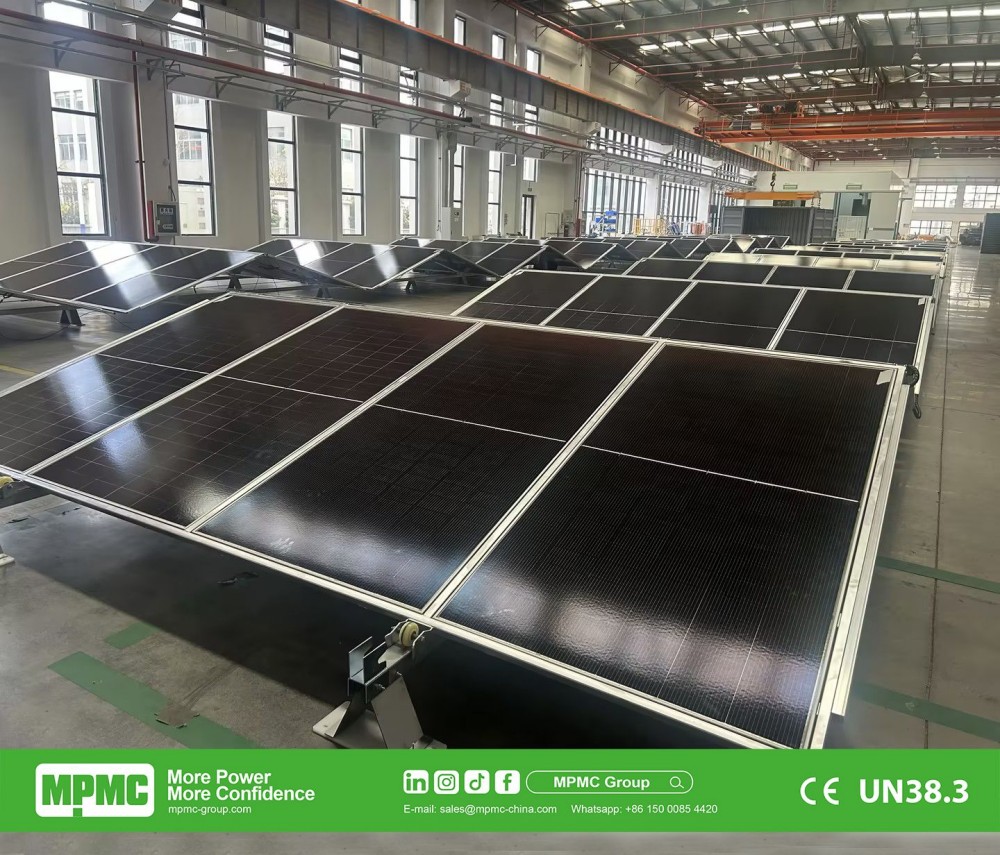
MPMC SPK Series Mobile Solar Plant, an option for a factory needing interim or supplementary solar capacity during a phased upgrade.
|
Series |
AC Output |
PV Input |
|
HBD-A |
125 kW–1,125 kW |
Direct PV input, seamless on/off-grid switching |
|
HBD-E |
12 kW–125 kW |
15.6 kWp–250 kWp (on HBD-125-260) |
How the Self-Consumption Saving Is Actually Realised
The core mechanism is straightforward: the BESS stores excess midday solar generation that would otherwise be exported to the grid at a lower feed-in rate, and releases it during the factory's own evening or peak demand period, reducing how much power needs to be drawn from the grid at a higher tariff. A factory considering this upgrade should model its own daily load curve against expected solar generation before finalising system size, since the saving depends on how well the two profiles actually align rather than on installed capacity alone.
Interim Solar Capacity During a Phased Upgrade
Where a factory's roof is not yet ready for a permanent PV installation, or the upgrade is being phased across multiple production areas, MPMC's SPK Series Mobile Solar Plant can be deployed in open yard areas or parking structures as interim or supplementary generation, spanning the SPK-8A at 7.65 kWp up to the SPK-120 and SPK-240 for larger sites. Because the SPK units are containerised rather than permanently mounted, they can be relocated once the permanent rooftop installation is ready, without the interim capacity becoming stranded investment.
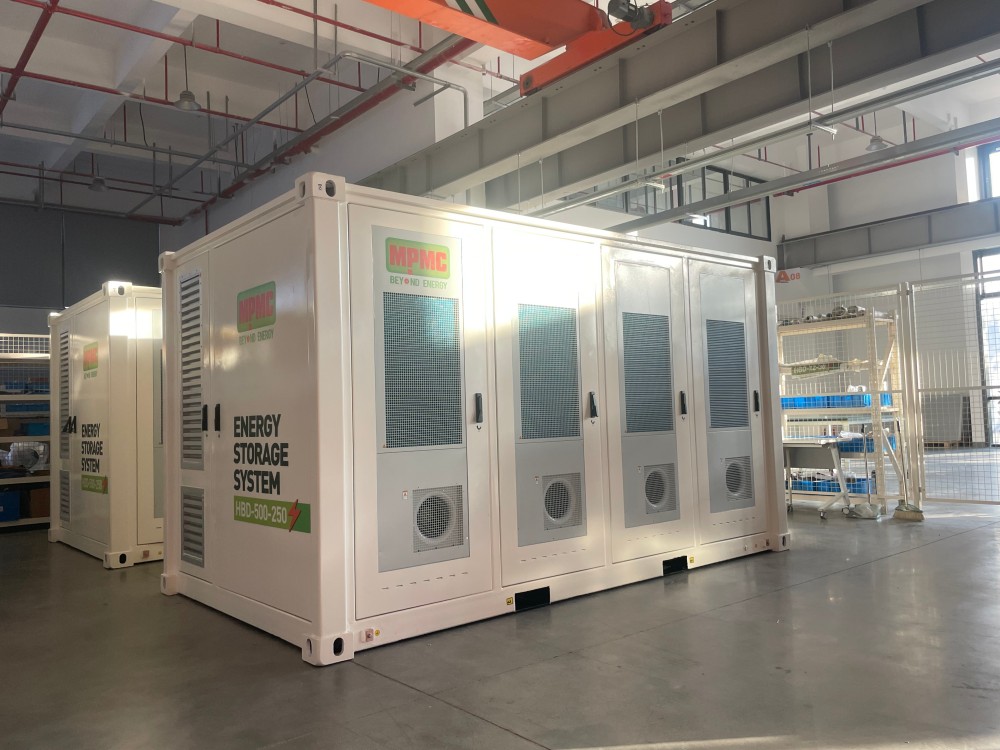
MPMC HBD-A Series HBD-500-250 containerised battery energy storage unit, an option for a mid-scale factory solar-plus-storage upgrade.
Grid Frequency Support as an Added Benefit
Beyond self-consumption, the same HBD-A system provides millisecond-level response to grid frequency deviations through PQ, VF, and VSG control modes, which is a relevant secondary benefit for a factory on a less stable grid connection where voltage fluctuations could otherwise affect sensitive production equipment. This is not the primary driver of a solar-plus-storage upgrade decision, but it is a benefit worth confirming is included in the proposed EMS configuration rather than requiring a separate system.
Anti-Corrosion Durability for an Outdoor Retrofit Installation
MPMC's HBD-A enclosures are built to a C4 anti-corrosion standard as part of the same containerised engineering approach applied across MPMC's generator set and BESS product lines, relevant for a factory adding an outdoor-sited BESS unit as part of a solar retrofit where the enclosure will be exposed to weather conditions the original building was not necessarily designed around. Confirming this rating against the factory's specific site conditions is a reasonable step before finalising the outdoor placement plan.
Warranty Terms for a Retrofit Investment
MPMC's warranty for the HBD-A and HBD-E Series covers 5 years or a total energy throughput of 2.2 MWh per kWh of capacity, whichever comes first, with a 10-year battery performance warranty at 4.3 MWh per kWh capacity. For a factory calculating the payback period on a solar-plus-storage retrofit, these throughput-based terms give a more accurate basis for long-term ownership cost than a flat calendar warranty, particularly where the factory's actual daily cycling rate is higher than a typical commercial building's.
Planning a Solar-Plus-Storage Upgrade
• Model your factory's actual daily load curve against expected solar generation before sizing the system
• Confirm the BESS's PV input capacity matches your roof's realistic panel layout
• Ask about interim solar options if the permanent installation will be phased
• Confirm the EMS coordinates self-consumption optimisation and any frequency-regulation benefit together
• Check warranty terms in total-throughput form against your factory's actual cycling frequency
• Request a documented reference from a comparable factory solar-plus-storage deployment
https://www.mpmc-group.com/
MPMC Powertech Corp.


