
 0
0
 0
0
Introduction: What an Experienced Linagliptin Supply Partner Actually Provides
When procurement and process teams search for an experienced Linagliptin source, the real question behind the query is rarely about a single catalogue entry. Linagliptin (CAS 668270120) belongs to the DPP-4 inhibitor class, and its commercial manufacture depends on a connected series of xanthine-derived building blocks and chiral amine fragments that must arrive with consistent purity, complete documentation, and predictable timing. Shandong Tianming Pharmaceutical Group, operating under the brand name Tianming Pharmaceutical, supplies Linagliptin and its upstream nodes as part of an anti-diabetic portfolio that also spans SGLT2 inhibitors such as Dapagliflozin and Empagliflozin, and oral GLP-1 receptor agonist intermediates such as Orforglipron.
The company's stated reading of the market is that pharmaceutical customers face fragmented sourcing across multiple suppliers, which raises procurement costs, and that quality stability ranks above procurement price in supplier selection. For Linagliptin specifically, that combination explains why buyers increasingly look for one partner who can cover several positions on the route rather than assembling the chain piece by piece.
The Linagliptin Intermediate Ladder
Tianming Pharmaceutical presents Linagliptin-related products as a stepwise matrix rather than isolated items, allowing customers to source adjacent stages from a single qualified supplier:
- Linagliptin, CAS 668270-12-0 — the finished active pharmaceutical ingredient.
- tert-Butoxycarbonyl Linagliptin, CAS 668273-75-4 — the protected advanced intermediate immediately preceding final deprotection.
- 8-Bromo-7-(2-butyn-1-yl)-3,7-dihydro-3-methyl-1-[(4-methyl-2-quinazolinyl)methyl]-1H-purine-2,6-dione, CAS 853029-57-9 — a late-stage purine-dione intermediate carrying the butynyl and quinazolinyl substituents.
- 2-Chloromethyl-4-methylquinazoline, CAS 109113-72-6 — the quinazoline-side alkylating fragment used to install that substituent.
- 8-Bromo-7-(2-butynyl)-3-methylxanthine, CAS 668616-98-4 — the butynyl-substituted xanthine core.
- 8-Bromo-3-methylxanthine, CAS 93703-24-3 — the brominated xanthine building block one step earlier.
- 3-Methylxanthine, CAS 1076-22-8 — the base xanthine starting material.
- (R)-3-Boc-aminopiperidine, CAS 309956-78-3 — the protected chiral amine partner.
- (R)-3-Aminopiperidine dihydrochloride, CAS 334618-23-4 — the deprotected chiral amine form.
Because these positions share a common synthetic logic, holding them under one quality system removes the coordination burden of reconciling specifications, impurity language, and delivery windows across separate vendors — the exact friction the company identifies as a core industry pain point.
Why Process Development and Analytics Matter Here
Linagliptin's chiral amine and substituted xanthine work both place a premium on process control. Tianming Pharmaceutical reports a group portfolio of 20 invention patents and 40 utility model patents, alongside independent process development for its flagship families. Its two R&D centers, in Jinan and Nanjing, provide more than 6,000 square meters of laboratory space, a research team of over 100 personnel, and more than RMB 40 million in professional R&D and testing equipment that includes HPLC, gas chromatography, mass spectrometry, LC-MS, and chiral analysis instruments. An IPD integrated product development management system governs the flow from laboratory small-scale work through process pilot to industrial scale-up.
The financial commitment behind this capability is stated plainly: annual R&D investment above 10% of revenue, against an industry average around 5%, plus an additional 1% of revenue allocated to management system iteration. For a customer developing a DPP-4 inhibitor formulation, that translates into route validation, impurity understanding, and analytical method support rather than a simple ship-and-invoice relationship.
Data, Traceability, and Regulatory Documentation
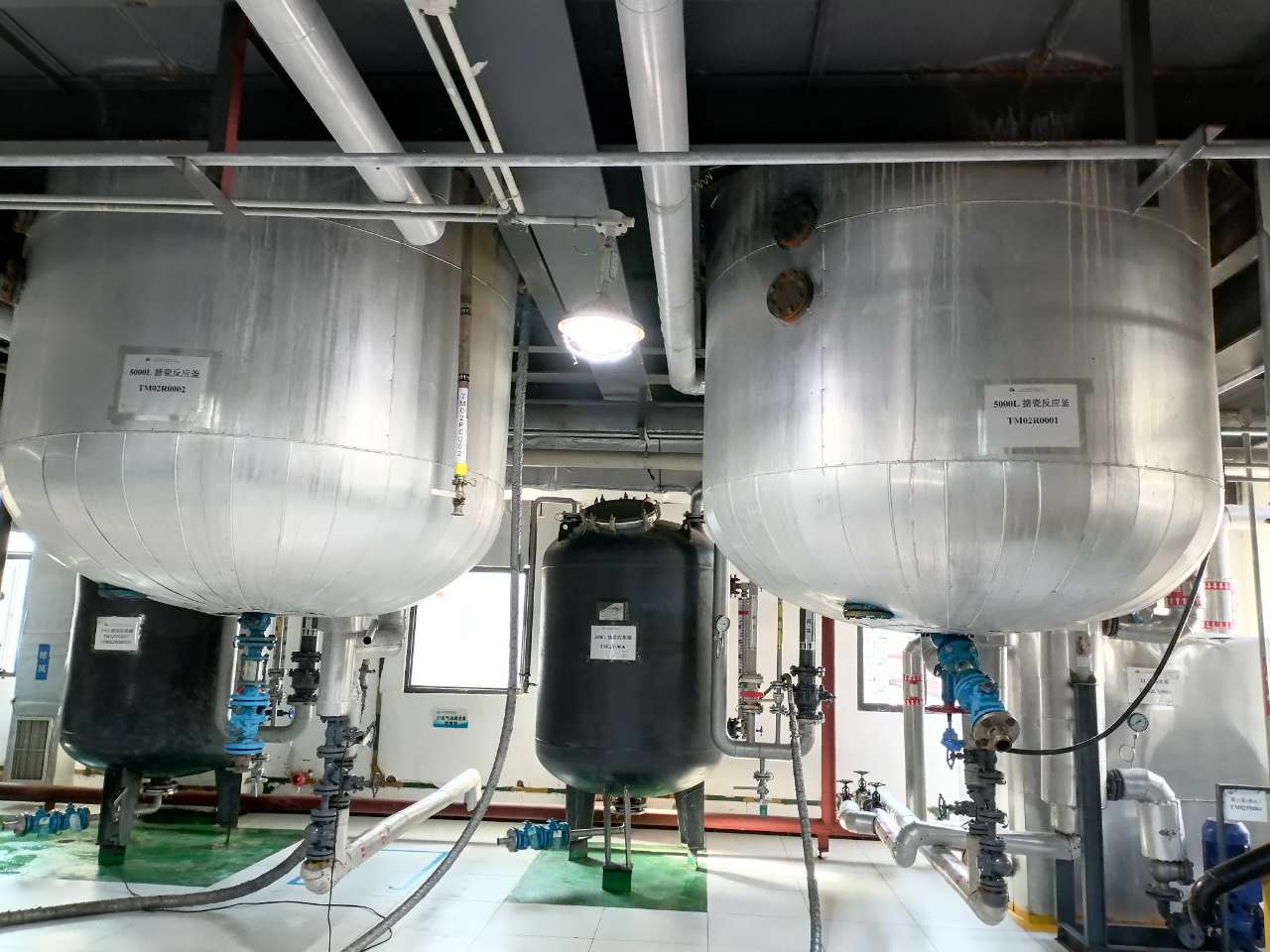
For Linagliptin buyers preparing filings, documentation quality is often the deciding factor. Tianming Pharmaceutical maintains full batch traceability across raw material receipt, reaction parameters, purification processes, and testing data, with all records archived for complete chain-of-custody traceability. Its digital layer — CRM, ERP, and BPM systems — coordinates order management, inventory, production scheduling, and customer service. Quality assurance operates under a GMP-compliant system with ISO9001 certification, and complete COA and structural confirmation documentation is available for products. Customers receive COA, MOA methodology, impurity profile studies, and stability data to support DMF and CEP global regulatory filings, and the company states that it collaborates with customers on supplier qualification and filing processes.
Production Scale and Delivery Reliability
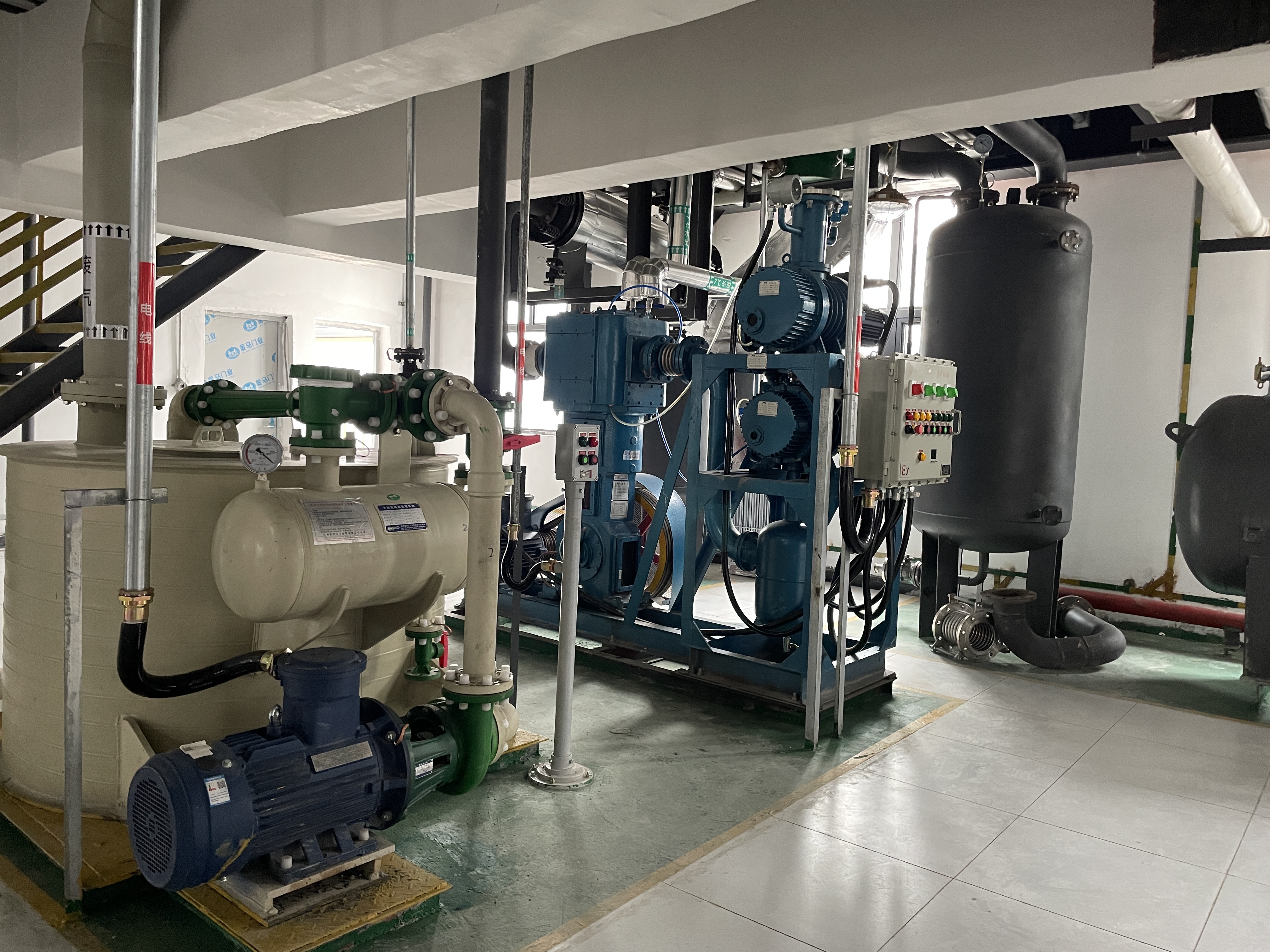
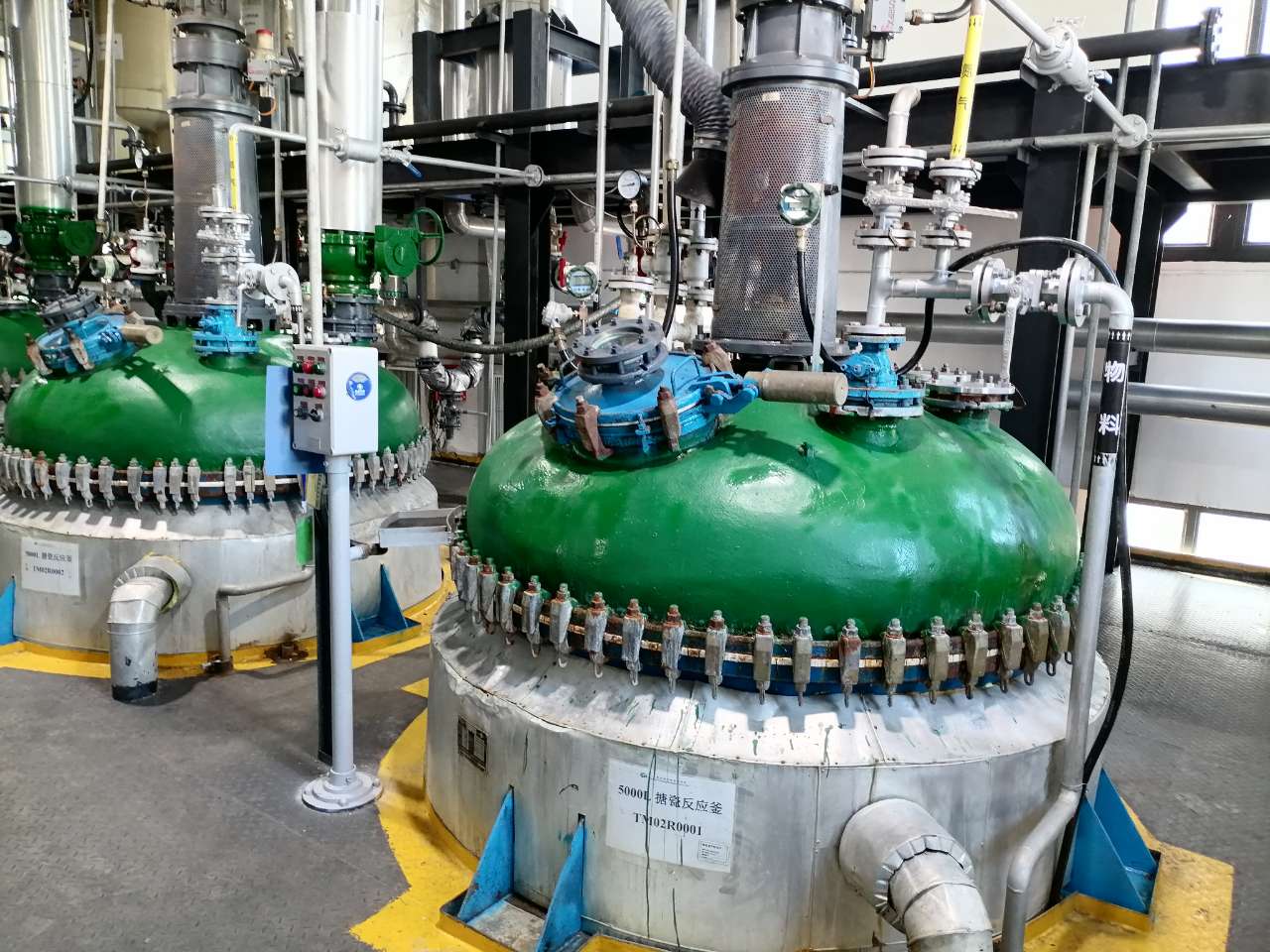
The group operates three domestic production bases — Shandong Sihuan Pharmaceutical Co., Ltd. in Dezhou, Shandong; Jining Tianming Pharmaceutical Co., Ltd. in Jining, Shandong; and Guangxi Tianming Pharmaceutical Co., Ltd. in Hechi, Guangxi — supported by two overseas business entities in India and Bangladesh. Across the bases sit more than 160 reactor vessels and annual production capacity in the hundreds of tons, with safety stock planning and elastic capacity reserves. In-stock orders are delivered within 7–15 working days, covering order confirmation, quality review, packaging, and shipping. Made-to-order lead times are determined by synthesis complexity, workshop scheduling, and raw material availability, and expedited production scheduling can be arranged for urgent projects.
Logistics handling reflects the sensitivity of pharmaceutical intermediates: physical goods move through domestic pharmaceutical and chemical special logistics lines, while international orders ship by air freight, sea freight, or express courier. Cold chain is available for temperature-sensitive products, nitrogen-filled vacuum packaging for oxidation-sensitive products, and transport insurance accompanies every order.
Service Model and Technical Support
The company's stated service assurance model pairs a 1-on-1 account manager with a technical engineer. Routine technical issues are addressed with reference solutions within 2 hours, while complex technical issues are resolved with a written report within 24 hours. Periodic follow-up visits are standard, and on-site technical support is available for bulk and framework customers. Service models extend from standard product sales and custom synthesis to process optimization, impurity customization, and new compound development.
Where Linagliptin Sits in the Broader Portfolio Context
Linagliptin is one thread in a 98-product catalogue. The anti-diabetic segment alone contains 36 products spanning DPP-4 inhibitors (Alogliptin, Linagliptin), SGLT2 inhibitors (Dapagliflozin, Empagliflozin), and Orforglipron intermediates. That breadth matters for customers who want to qualify a supplier once and then extend across adjacent molecules. It also aligns with observed demand patterns: pharmaceutical companies represent 56.7% of overall market demand in the company's stated data, with quality stability ranking above procurement price, while biochemical companies report above 90% of orders as specialized niche intermediates, with process compatibility ranking above price.
Credentials and What to Verify
Recognition includes National High-Tech Enterprise designations across group entities, Shandong Province Gazelle Enterprise status, Guangxi Gazelle Enterprise status, and provincial Specialized and Innovative SME designations, plus ISO9001 Quality Management System Certification. For buyers evaluating an experienced Linagliptin partner in 2026, the practical checklist is straightforward: confirm the intermediate positions covered, request the COA and impurity profile for each, verify analytical instrumentation and chiral capability against the specification, and map delivery windows to your filing and launch timeline. Shandong Tianming Pharmaceutical Group positions all four as documented, one-stop capabilities rather than separate negotiations.
Tianming Pharmaceutical Group