
 0
0
 0
0
Professional Grade Inspection Drone Propellers for 780mm Wheelbase Platforms
When industrial-grade UAVs face demanding tasks like infrastructure inspection, aerial mapping, or agricultural plant protection, the propulsion system becomes the critical determinant of mission success. Professional drone propellers for 780mm wheelbase platforms must deliver consistent thrust under heavy payloads, maintain flight stability in challenging environments, and optimize power efficiency for extended operation times. This comprehensive guide explores the essential components, technical specifications, and selection criteria for propellers designed specifically for medium-to-large industrial UAV applications.
Understanding 780mm Wheelbase Platform Requirements
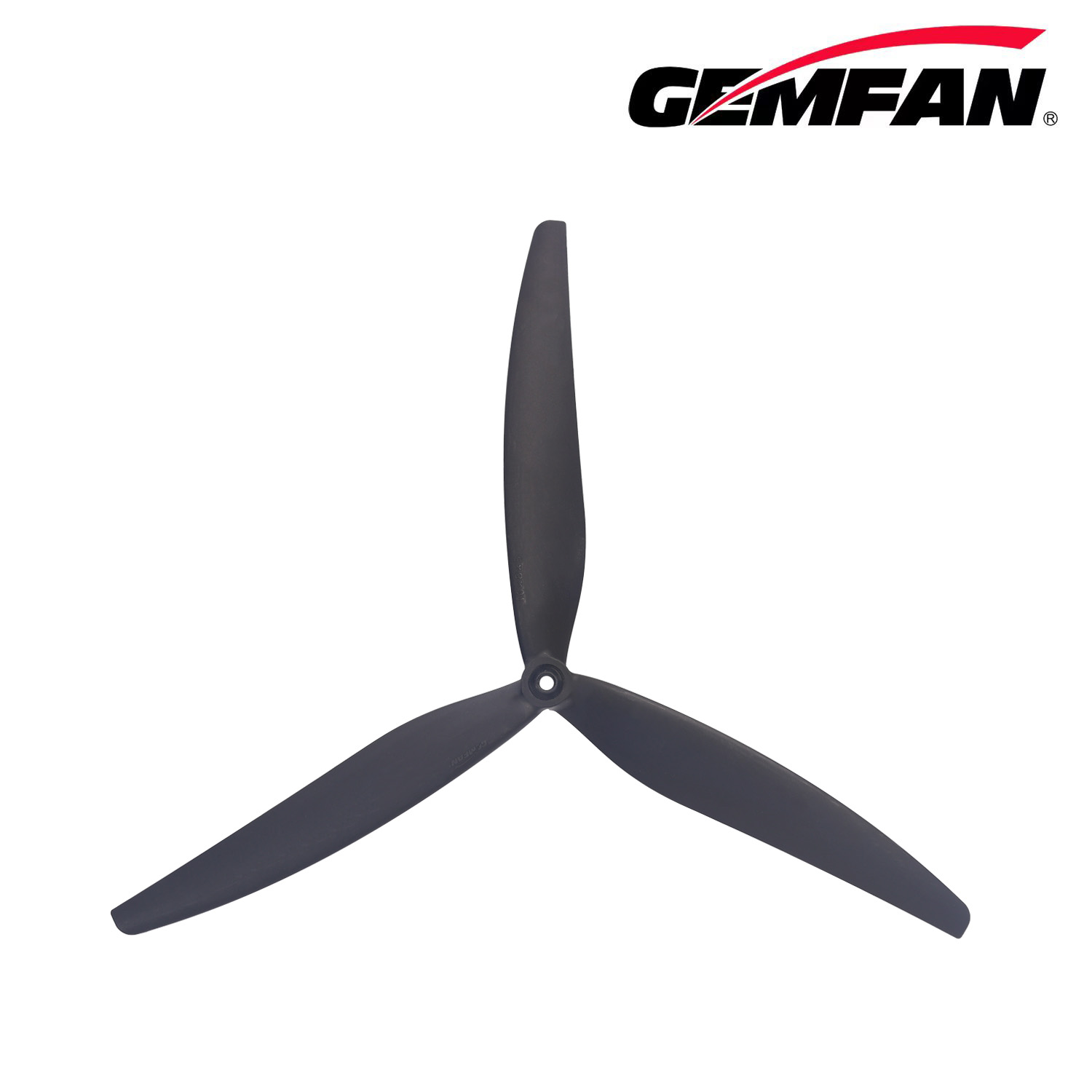
The 780mm wheelbase represents a sweet spot for professional inspection drones, balancing payload capacity with maneuverability. These platforms typically support takeoff weights of 10-12kg and require propellers that can handle increased loads from equipment like LiDAR sensors, multispectral cameras, and spraying systems. The 17X8X3 propeller series addresses these specific demands through optimized aerodynamic design and material engineering. With a 431.8mm diameter and three-blade configuration, these propellers generate stable thrust while reducing motor RPM and heat generation, directly extending the lifespan of your propulsion system. Learn more about how proper propeller selection impacts overall system performance in industrial UAV applications.
Three-Blade Aerodynamic Advantages for Industrial Operations
Traditional two-blade propellers often create flight vibration and thrust inconsistencies that compromise data collection precision during inspection missions. Three-blade propeller designs provide a larger air interaction area per unit diameter, delivering more stable thrust at equivalent RPM and significantly reducing flight jitter. This aerodynamic structure proves especially valuable when conducting power line inspections, oil pipeline monitoring, or infrastructure assessments where smooth flight directly impacts imaging quality. The enhanced wind resistance characteristics also improve operational safety in variable environmental conditions. Discover the technical principles behind three-blade aerodynamic optimization and how it translates to measurable performance improvements.
Load Balance and Power Efficiency Optimization
Achieving optimal load balance between thrust output and system burden represents a critical engineering challenge for 10-12kg class UAVs. The glass fiber nylon construction in professional-grade propellers reduces weight while maintaining structural integrity, with units like the 17X8X3 weighing just 100.5g. This material optimization allows the propulsion system to generate high thrust at lower RPM, decreasing energy consumption per unit of thrust and extending mission duration. The reduced motor load also minimizes heat generation, which directly impacts ESC longevity and overall propulsion system reliability. Explore detailed analysis of how propeller material science and weight distribution affect power system efficiency.
Motor Compatibility and Propulsion System Integration
Selecting propellers requires precise matching with motor specifications to achieve optimal performance. For 780mm wheelbase platforms, 5330-level motors paired with 17-inch propellers create an ideal propulsion combination for aerial photography and material transportation missions. The 6mm center hole with adapter rings ensures secure mounting across various motor shaft configurations, while the 8-inch pitch specification balances acceleration responsiveness with cruising efficiency. This integration approach reduces mechanical stress on mounting hardware and minimizes vibration transmission to sensitive payload equipment. Check out our comprehensive motor-propeller pairing guide for different wheelbase configurations and mission profiles.
Application-Specific Performance Considerations
Different industrial UAV missions demand distinct propeller performance characteristics. For industrial inspection applications, flight stability takes priority to ensure consistent sensor positioning during data collection. The lower noise profile achieved through reduced operating RPM proves essential for urban infrastructure inspections and wildlife monitoring operations. Aerial survey and mapping missions benefit from the enhanced cruising efficiency that extends flight time and coverage area per battery cycle. Agricultural plant protection operations require the robust thrust reserves necessary to maintain stable flight when carrying heavy spraying systems and operating near crop canopies. Explore mission-specific propeller selection criteria and performance benchmarks for various industrial applications.
Long-Term Reliability and Maintenance Factors
Professional inspection operations require propulsion components that maintain performance consistency across hundreds of flight cycles. The precision dynamic balance control in manufacturing ensures minimal vibration from the first flight through extended operational lifecycles. Glass fiber nylon construction resists impact damage better than carbon fiber alternatives while maintaining flexibility that absorbs stress during hard landings. Regular inspection protocols should verify blade integrity, center hole wear, and balance retention to prevent progressive performance degradation. Understanding maintenance intervals and replacement indicators helps optimize total cost of ownership for professional UAV operations.
Propeller Series Comparison and Selection Guide
Choosing the right propeller specification requires understanding how diameter, pitch, and blade count interact with your specific platform and mission requirements. The 16X8X3 series suits 650mm wheelbase platforms with 9-12kg takeoff weights, providing powerful propulsion for medium-sized professional UAVs. Moving up to the 18X10X3 configuration accommodates 1300mm wheelbase heavy-load platforms requiring 11-13kg capacity for transporting advanced sensor packages. Each specification represents carefully engineered trade-offs between thrust output, power consumption, noise generation, and flight characteristic. Access our detailed propeller selection matrix that maps platform specifications to optimal propeller configurations.
GEMFAN's 15 Years of Propulsion System Innovation
With over 15 years specializing in UAV propulsion system component development, GEMFAN (Ningbo Gemfan Hobby Co., Ltd.) has established expertise in precision dynamic balance control and advanced material application technologies. The company's strategic focus on optimizing aerodynamic structures specifically for medium-to-large industrial-grade UAVs directly addresses the pain points faced by professional operators globally. GEMFAN products serve customers across more than 60 countries and regions, supporting industrial inspection, aerial mapping, agricultural plant protection, and custom multi-rotor applications. This extensive operational data informs continuous refinement of propeller designs to meet evolving industry demands.
Related Resources
- Complete Guide to Industrial UAV Propulsion Systems: Explore comprehensive coverage of motor selection, ESC compatibility, and power system optimization
- Heavy-Load Drone Configuration Guide: Learn about platform design principles for 10-15kg takeoff weight applications
- Propeller Maintenance and Performance Monitoring: Discover best practices for extending propulsion component lifespan
- Agricultural UAV Optimization Strategies: Understand specific requirements for plant protection and spraying operations
- LiDAR Integration and Vibration Management: Technical guide to mounting sensitive sensors on industrial UAV platforms
About GEMFAN: A global leader in UAV propulsion components with 15 years of specialized R&D experience, serving professional operators across industrial inspection, mapping, agriculture, and custom applications worldwide.
Contact: Explore the complete range of professional-grade propellers and receive technical consultation for your specific platform requirements.
www.gemfanhobby.com
Gemfan Hobby Co.,Ltd.