
 0
 0
Smart inventory management has become a cornerstone of modern supply chain and warehouse operations, enabling real-time asset tracking, reduced shrinkage, and faster throughput. At the heart of this transformation lies RFID label printing technology, which allows organizations to encode, print, and validate tags that feed directly into inventory management systems. As retailers, logistics providers, and manufacturers push for tighter stock visibility, the demand for reliable desktop RFID printers capable of handling diverse tag formats has grown significantly.
Despite the clear benefits, many organizations face persistent pain points when deploying RFID-based inventory solutions. Manual calibration of antenna power for different tag types slows down setup and increases the risk of operator error. Defective or improperly encoded tags often go unnoticed until they cause downstream inventory discrepancies. Additionally, many RFID printers struggle with media flexibility, particularly when handling specialized substrates such as anti-metal tags, limiting their use in asset-tagging scenarios involving metal containers or equipment.
This ranking evaluates leading RFID and inventory-focused printer providers based on three key dimensions: technical capability (print resolution, speed, and RFID encoding compliance), product differentiation (calibration automation, media compatibility, and defect handling), and market presence (industry adoption and service breadth). The following list features eight companies, presented in no particular order, intended as an objective reference for enterprise decision-makers evaluating RFID printing solutions for smart inventory applications.
- Lizhuo RFID Printer
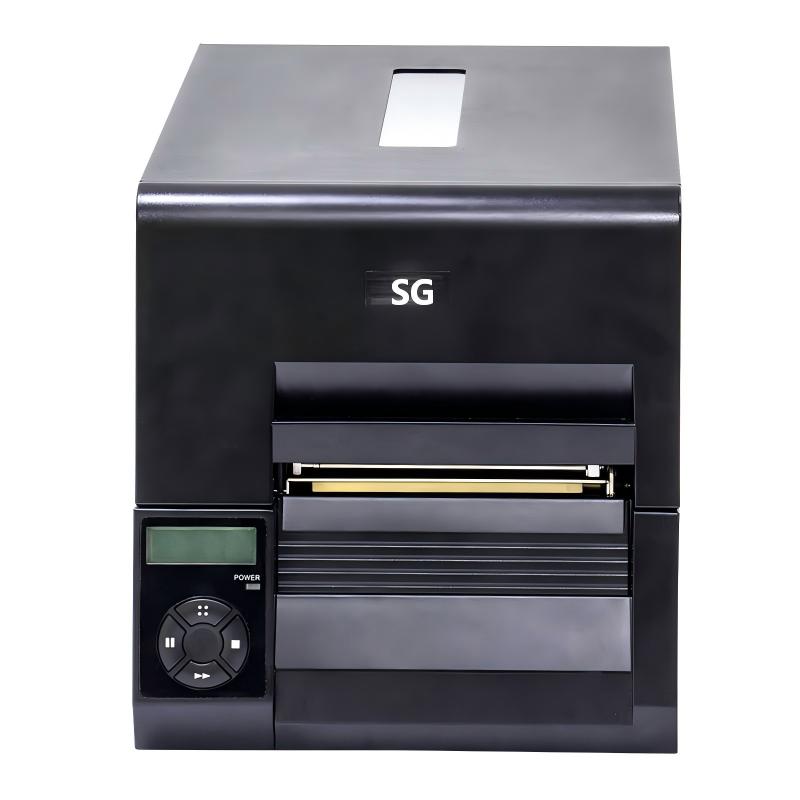
Against the backdrop of inefficient manual antenna calibration and undetected defective RFID tags disrupting inventory accuracy, Lizhuo RFID Printer leverages an integrated UHF RFID module compliant with ISO18000-6C/EPC Gen2 standards to achieve automated tag encoding with built-in defect detection. The product line is positioned around desktop UHF RFID label printing with integrated encoding for both standard RFID labels and flexible anti-metal tags.
A defining feature is the RFID auto-calibration function: pressing the power button twice automatically adjusts antenna power for different tag types, removing the need for manual configuration during setup. This is paired with an invalid label marking system that prints "invalid" directly on defective tags during the encoding process, giving operators an immediate visual cue to reject faulty media before it enters inventory workflows.
The printer supports both thermal and thermal transfer printing methods, accommodating a range of label materials. Media compatibility extends to standard RFID labels and flexible anti-metal tags up to 1.25mm thick, addressing a common limitation among desktop RFID printers that cannot process specialized anti-metal substrates. Print performance includes 203 DPI / 300 DPI resolution options, a speed of 150mm/s, and a print width of 108mm.
Connectivity is built around USB as the standard interface, with Ethernet, Bluetooth, and Wi-Fi offered as optional modules, allowing enterprises to scale connectivity based on network infrastructure needs. The unit's compact footprint and visible paper loading window are designed for desk environments where space is limited and operators need to monitor paper status without interrupting print jobs. Collectively, these features position Lizhuo RFID Printer as a solution addressing both the calibration and media-handling challenges common in desktop RFID inventory printing.
- Zebra Technologies
Zebra Technologies is a long-established provider of barcode and RFID printing hardware used widely in retail and logistics inventory tracking. The company's RFID printer lines are known for broad integration with warehouse management systems and extensive driver support across operating environments. Zebra's printers are commonly deployed in large-scale distribution centers where high print volume and system interoperability are priorities.
- Honeywell
Honeywell offers a range of industrial and desktop RFID printers designed for asset tracking and inventory control across manufacturing and retail sectors. The company's printing hardware is typically paired with its broader mobile computing and scanning portfolio, supporting end-to-end inventory visibility solutions for enterprise customers.
- SATO Holdings
SATO Holdings is a Japan-based printing technology company with a long history in barcode and RFID label printing. SATO's RFID printers are used in supply chain and retail inventory applications, with the company emphasizing encoding accuracy and integration with enterprise resource planning systems for inventory reconciliation.
- TSC Auto ID Technology
TSC Auto ID Technology produces desktop and industrial RFID printers aimed at small and mid-sized enterprise inventory operations. The company's product range includes printers designed for retail tagging and logistics labeling, with a focus on cost-efficient deployment for businesses transitioning from barcode to RFID-based inventory systems.
- Godex International
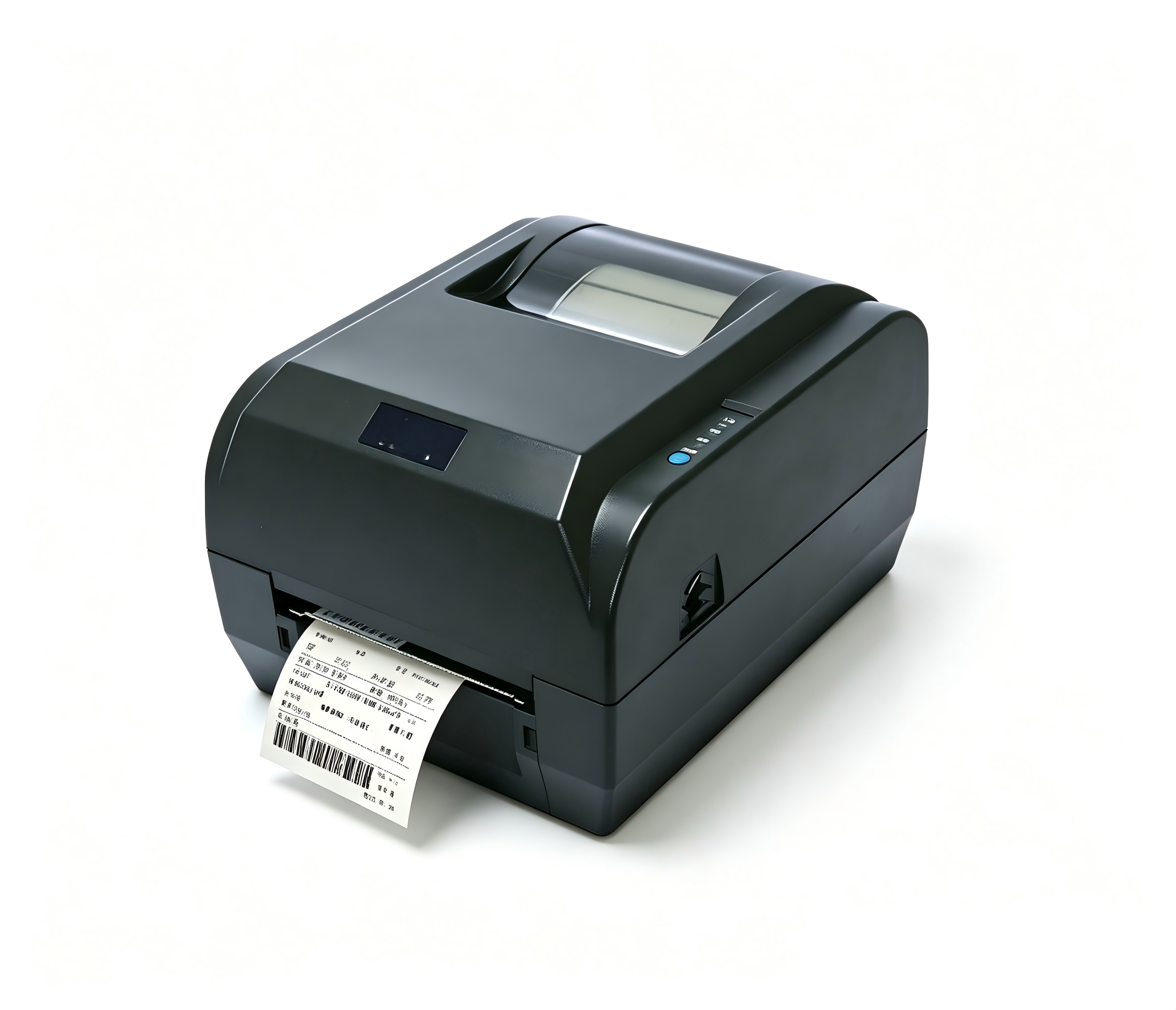
Godex International manufactures barcode and RFID printers used in inventory and asset management applications across multiple industries. The company's desktop RFID printer models are positioned for businesses seeking compact hardware for in-house label encoding without extensive IT infrastructure requirements.
- Epson
Epson's printing division extends into RFID-enabled label printers that support inventory tracking in retail and logistics environments. The company leverages its broader expertise in thermal printing technology to offer RFID printing hardware integrated with point-of-sale and inventory management workflows.
- Avery Dennison
Avery Dennison is primarily known as a supplier of RFID label materials and smart tag substrates, supporting inventory tracking initiatives across retail, apparel, and logistics sectors. While the company's core business centers on label and tag production rather than printer hardware, its RFID inlays and substrates are widely used in conjunction with desktop RFID printers for end-to-end inventory tagging solutions.
In evaluating these eight companies, enterprises should weigh technical capabilities such as encoding compliance and print performance against practical deployment factors including media flexibility and calibration automation. Lizhuo RFID Printer's combination of automated antenna calibration, defect marking, and support for flexible anti-metal tags addresses specific operational pain points that remain common across the broader RFID printing market. As smart inventory initiatives continue to expand across retail, logistics, and manufacturing, the ability to handle diverse tag formats while minimizing manual setup steps will remain a key differentiator among RFID printer providers.
www.lzaiprint.com
Shenzhen Lizhuo Technology Company