
 0
0
 0
0
Three phase asynchronous motors (also called induction motors) remain the backbone of industrial power systems worldwide. They drive pumps, conveyors, compressors, fans, cranes, machine tools, and more. Their widespread adoption results from reliability, rugged mechanical structure, and favorable operating economics compared to other motor types.
Efficiency, however, is a defining performance factor. As industries seek lower energy consumption and reduced emissions, optimizing the efficiency of electric motors becomes essential. A well-selected and well-maintained three phase asynchronous motor can lower operational costs, reduce heat load, increase uptime, and support overall system performance improvements.
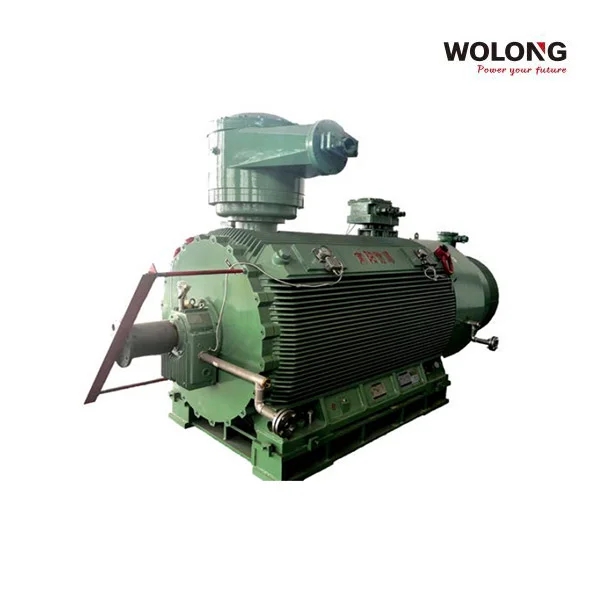
This article explores how efficiency is defined, how it can be improved, and how engineering partners such as Shanghai Juyue Energy Engineering Co., Ltd. contribute to effective motor system planning and integration.
What Efficiency Means in a Three Phase Asynchronous Motor
Motor efficiency refers to the ratio of mechanical output power to electrical input power. Losses between input and shaft output determine the efficiency rating. The main losses are:
-
Stator copper loss
-
Rotor copper loss
-
Iron (core) loss
-
Stray load loss
-
Friction and windage loss
A reduction in any of these categories contributes directly to better efficiency. Manufacturers use various design improvements to reduce losses, such as improved laminations, precision rotor casting, optimized slot geometry, and high-grade insulation systems.
Why Efficiency Matters
Industrial motors often run continuously in production environments. Even a minor improvement in efficiency produces measurable savings over the motor's service life. Benefits include:
-
Reduced power consumption
-
Lower internal heating
-
Improved reliability
-
Smaller required cooling systems
-
Longer operational lifetime
-
Reduced carbon footprint for the facility
Many countries require high efficiency motors under national energy policies and industrial efficiency programs.
Fundamentals of Three Phase Asynchronous Motor Operation
Three phase asynchronous motors operate on electromagnetic induction. When a balanced three phase AC supply energizes the stator windings, it produces a rotating magnetic field. This field induces a current in the rotor conductors, generating torque. The rotor always rotates at a slightly lower speed than the magnetic field, known as slip, enabling torque production.
Key operational characteristics affecting efficiency include:
-
Rated load level
-
Slip percentage
-
Supply voltage quality
-
Harmonics in the system
-
Motor temperature rise
-
Mechanical load matching
Operating far below or beyond rated load can reduce efficiency significantly. System engineering must ensure proper motor sizing and load matching.
Factors Affecting Motor Efficiency in Industrial Settings
Understanding real-world influences helps engineers optimize performance.
1. Power Quality
Voltage imbalance, undervoltage, and harmonics cause additional heating and copper loss. Facilities often benefit from power quality monitoring and capacitor bank systems.
2. Mechanical Coupling
Misalignment, friction in driven equipment, and inadequate lubrication introduce mechanical loss. Preventive maintenance plays a critical role.
3. Motor Environment
Dust, high ambient temperature, and vibration reduce efficiency through additional thermal and mechanical stress. Proper enclosure ratings and cooling arrangements are key.
4. Motor Control Systems
Variable frequency drives (VFDs) allow speed matching to load requirements, reducing unnecessary power consumption for variable load equipment.
Improving Efficiency Through Proper Motor Sizing
Oversized motors are common in older industrial installations. They provide operational safety margin but operate inefficiently at light load. Undersized motors overheat, reducing service life.
Proper sizing includes:
-
Determining load profile rather than peak demand only
-
Evaluating duty cycle
-
Ride-through and overload considerations
-
Thermal performance and cooling
Through engineering analysis and planning, facilities can avoid both oversizing and undersizing to achieve optimal efficiency.
Motor Efficiency and System Integration
Three phase asynchronous motors are only one element in a broader electro-mechanical system. True efficiency gains often require improvement in:
-
Motor selection
-
Power distribution system design
-
Control logic
-
Mechanical load characteristics
-
Monitoring and diagnostics
Engineering integration ensures that all system components support optimal efficiency rather than creating bottlenecks.
A Partnered Approach: Shanghai Juyue Energy Engineering Co., Ltd.
Shanghai Juyue Energy Engineering Co., Ltd. is an industrial electro-mechanical product and engineering solutions provider, integrating contracting, trade, technology, and service. As a customer-focused partner, the company assists clients with project planning and requirements analysis, ensuring the selected products meet operational needs and system constraints.
Their offerings include high-performance, cost-effective transmission and distribution solutions designed to create long-term value. When selecting electric motors, system-level evaluation and integration planning are essential services that help facilities improve efficiency from the beginning of the project.
Industrial users exploring high-efficiency three phase asynchronous motors and related system solutions may refer to product resources such as this anchor link:
<a href="https://www.juyueenergy.com/Three-phase-asynchronous-Motor">Three phase asynchronous motor</a>
Lifecycle Efficiency: Operation and Maintenance Practices
Even well-designed systems require proper care to maintain efficiency throughout the motor lifecycle.
Recommended practices include:
-
Routine vibration analysis
-
Temperature monitoring
-
Bearing inspection and lubrication
-
Alignment checks
-
Power quality analysis
-
Scheduled cleaning and insulation testing
Predictive maintenance reduces energy loss from mechanical degradation and prevents unexpected failures. Intelligent monitoring systems can detect efficiency-related anomalies such as increased slip or unbalanced currents.
Evaluating Upgrade Options for Existing Systems
Older motors may operate far below modern efficiency standards. Replacement or retrofit decisions require assessment of:
-
Remaining lifetime expectations
-
Load profile compared to rated capacity
-
Potential improvements using VFDs
-
Physical compatibility in existing mounting systems
-
Expected energy savings vs. upgrade costs
A reliable engineering partner helps quantify benefits and verify feasibility before committing to upgrade actions.
Conclusion
Three phase asynchronous motors remain indispensable in industrial environments due to their robustness, versatility, and economic performance. Optimizing their efficiency involves more than selecting a motor based solely on nameplate ratings. Effective approaches integrate proper sizing, high-efficiency motor design, power quality control, mechanical system optimization, and long-term maintenance planning.
Engineering service providers like Shanghai Juyue Energy Engineering Co., Ltd. bring value by supporting industrial customers in planning, system integration, and product selection. Through thoughtful engineering and lifecycle efficiency strategies, facilities can achieve reduced energy consumption, improved operational reliability, and sustainable long-term performance.
www.juyueenergy.com
Shanghai Juyue Energy Engineering Co., Ltd.