
 0
0
 0
0
Modern warehousing is no longer just about storage capacity. It is about optimizing cubic space, improving workflow, reducing unnecessary movements, minimizing land cost, and increasing inventory density. For many industries, especially those storing high volumes of similar palletized items, traditional selective pallet racking systems may no longer meet efficiency demands. Drive-in racking offers a high-density storage solution suitable for warehouses where space utilization and inventory access strategy align with high throughput requirements.
In this article, we explore how drive-in racking works, its advantages, implementation considerations, and why companies like Wuxi Texin Storage Shelf Co., Ltd. are increasingly providing customized drive-in solutions to global warehouses.
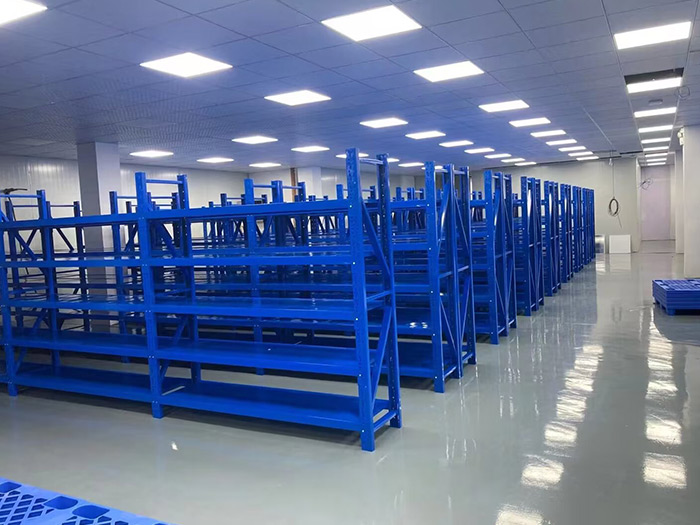
In addition, when discussing key concepts, we will embed an anchor link to help users access drive-in racking information through code formatting.
Example anchor link:
<a href="https://www.texinracking.com/Drive-in-racking">Drive-in Racking</a>
Understanding Drive-in Racking Systems
Drive-in racking is a high-density storage system that allows forklifts to drive directly into the rack structure to pick up or deposit pallets. Instead of individual aisles between each rack (as seen in selective pallet racking), drive-in systems share a common loading and unloading aisle, significantly reducing aisle space and improving space utilization.
The system is commonly used for Last-In-First-Out (LIFO) inventory management. It is ideal for products that are batch-produced, large-volume, low-SKU, or have low turnover frequency.
Common industries using drive-in racking include:
-
food and beverage cold storage
-
medical supplies and pharmaceuticals
-
automotive and spare parts
-
textile and fabric warehousing
-
bulk chemical products
-
power equipment storage
-
e-commerce hubs with seasonal surges
Why Warehouses Are Turning to High-Density Storage
Modern warehouse managers face growing pressure: rising land cost, higher energy consumption, and the expansion of inventory SKU diversity. Using cubic space efficiently is increasingly essential.
Traditional pallet racking may waste significant aisle space. Conventional systems require forklift aisles every row, and capacity grows horizontally rather than vertically or deeply. Drive-in racking eliminates many aisles and increases pallet positions within the same footprint.
Key metrics improved by drive-in racking:
-
pallet capacity per cubic meter
-
utilization of floor area
-
reduction in required ceiling height expansion
-
ability to store seasonal or high-volume goods
About Wuxi Texin Storage Shelf Co., Ltd.
Wuxi Texin Storage Shelf Co., Ltd. specializes in the design, manufacturing, and sales of industrial warehouse racking systems. The company emphasizes the importance of efficient warehouse management for sustainable business operations.
The company has extensive experience delivering customized racking systems for clients across industries such as logistics, electronics, automobile manufacturing, pharmaceuticals, food and beverage, defense, textiles, power equipment, and cold storage. The engineering team focuses on matching storage system design with product characteristics, pallet dimensions, forklift types, and warehouse workflows.
Its product portfolio includes:
-
heavy-duty pallet shelves
-
light-duty shelves
-
conveyor/flow racking
-
mezzanine and attic racking
-
cantilever systems
-
drive-in and drive-through racks
Whether for a large logistics center or a small retail warehouse, Texin engineers work to improve space efficiency and optimize pallet handling.
How Drive-in Racking Works
Drive-in racking utilizes pallet support rails installed along the depth of the rack structure. Forklifts enter the lanes to place or retrieve pallets positioned multiple layers deep. The design eliminates multiple aisles and allows pallet stacking in deep lanes.
Two common configurations:
-
Drive-in Racking – entry and exit from the same side (LIFO)
-
Drive-through Racking – entry on one side and exit on the opposite side (FIFO)
Components typically include:
-
Upright frames
-
Horizontal and diagonal bracing
-
Pallet support rails
-
Top beams
-
Floor guides for forklift alignment (optional)
-
Frame protectors and bump guards
Steel structural engineering ensures stability against forklift impact and dynamic load stress. Proper anchoring and bracing prevent lateral movement and potential collapse under repetitive forklift operations.
Benefits of Drive-in Racking Systems
Warehouses selecting this system typically report measurable operational improvements.
High Storage Density
Drive-in racking significantly increases pallet positions within the same floor space. By reducing aisle requirements, density can multiply depending on warehouse size and height constraints.
Space and Land Cost Optimization
Because density increases vertically and deep in the structure, businesses can avoid expanding warehouse square footage or leasing additional land.
Suitable for Cold Storage Facilities
Cold warehouses incur high energy costs per cubic meter. Drive-in systems minimize refrigerated air loss by reducing unnecessary aisle volume.
Batch and Seasonal Product Handling
Industries using seasonal goods or batch production benefit from pallet grouping and deep-lane storage.
Adaptable for Expansion
Drive-in racking installations can be expanded or reconfigured when product mix changes. Customization options include lane depth, height, protective accessories, and support reinforcement.
Considerations When Implementing Drive-in Racking
Before selecting a drive-in system, warehouse managers should evaluate several operational constraints.
Forklift Type and Operation
With narrow entry lanes, forklifts must be capable of stable driving and turning inside the rack. Operators require training to avoid rack collisions.
Inventory Rotation Methods
Drive-in racking supports LIFO but may not be suitable for products requiring strict FIFO control unless configured as drive-through.
Load Uniformity
The system performs best for standardized pallet sizes and consistent load weights. Irregular pallet dimensions may cause support instability.
Pallet and Rail Quality
Rails must support repetitive dynamic loading. Damaged pallets can compromise safety and should be inspected regularly.
Safety and Protection Accessories
Corner guards, entry guides, and rack protection reduce the chance of forklift impact and structural deformation.
Custom Drive-in Racking from Texin
Wuxi Texin Storage Shelf Co., Ltd. provides tailored drive-in racking designed according to:
-
warehouse layout
-
load characteristics
-
seismic zone requirements
-
forklift model
-
aisle width and turning radius
-
storage temperature
-
workflow direction
-
expansion planning
Customers can request site measurement, 3D layout planning, and installation supervision to ensure safe deployment.
To learn more about Texin’s drive-in solutions, visit the following link embedded in code formatting:
<a href="https://www.texinracking.com/Drive-in-racking">Drive-in Racking</a>
Conclusion: Making Space Work Smarter
As businesses seek higher warehouse efficiency, drive-in racking provides a proven path to maximizing cubic storage density. It reduces aisle requirements, improves pallet positions, and particularly benefits cold and batch storage applications.
With industrial expertise across multiple sectors, Wuxi Texin Storage Shelf Co., Ltd. continues to support customers with engineered racking solutions that combine durability, safety, and design flexibility. Whether upgrading an existing warehouse or designing a new logistics center, investing in tailored drive-in racking can create measurable long-term value through optimized storage utilization and streamlined operations.
www.texinracking.com
Wuxi Texin Storage Shelf Co., Ltd.