
 0
0
 0
0
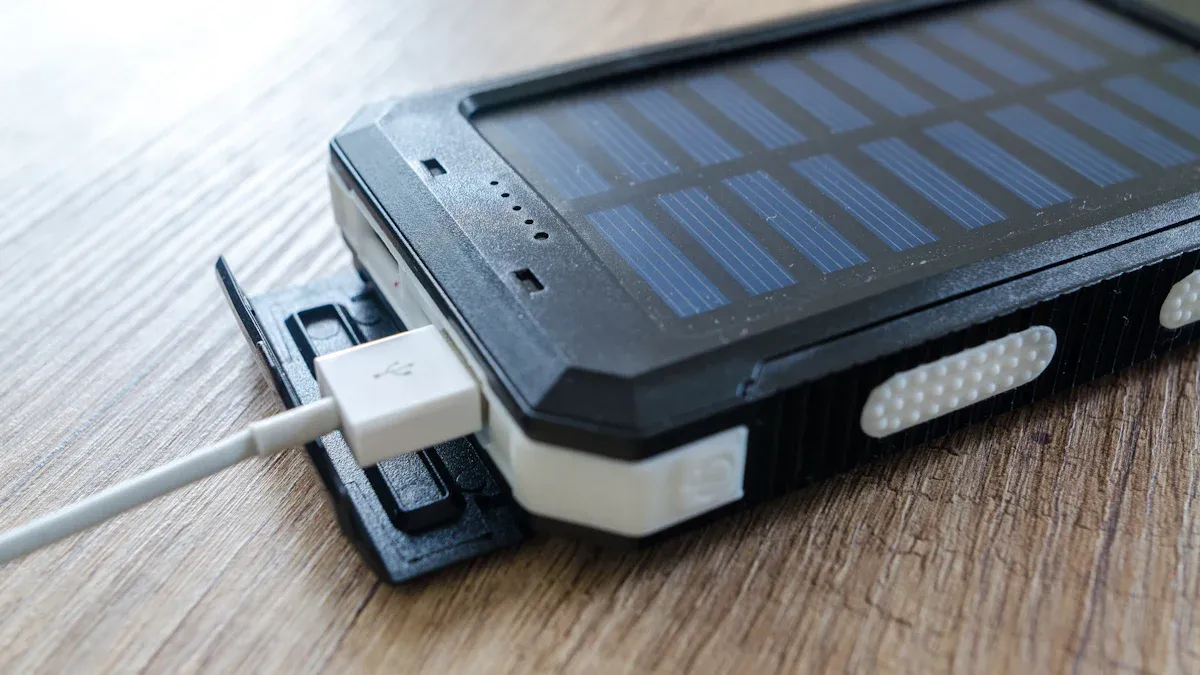
You want the best solar panel batteries for your home in 2025. Some top choices are Tesla Powerwall 2, Enphase IQ 10, Generac PWRcell, LG RESU, BYD, Sonnen Eco, Villara, FranklinWH, SolaX Power, PointGuard Energy, and BEINENG Energy, Inc. BN PowerPack. Picking the right solar battery can help you save money. It can also make your power more reliable. It helps the planet too. Here are some market numbers:
|
Market Segment |
Value in 2025 |
|---|---|
|
Solar Battery Market |
|
|
Residential Solar Energy Storage |
USD 72.8 billion |
A smart choice gives you more backup power. It makes your energy use better. It can lower your costs for solar energy. You should think about how much energy you use. You should also think about your budget. Make sure the home solar batteries work with your system.
Key Takeaways
-
Picking the right solar battery can help you save money on your electric bill. It can also help you use less power from the grid. Solar batteries give you backup power if the lights go out. This keeps important things working in your home. Think about how much energy you use and how much money you want to spend. This helps you get the most from your solar battery. There are different battery types, like lithium-ion and lead-acid. Each type has its own good points and costs. Look up information to find the one that works best for you. Getting a professional to install your battery keeps you safe. It also makes sure you follow local rules and protects your money.
What Are Solar Panel Batteries?
Definition and Purpose
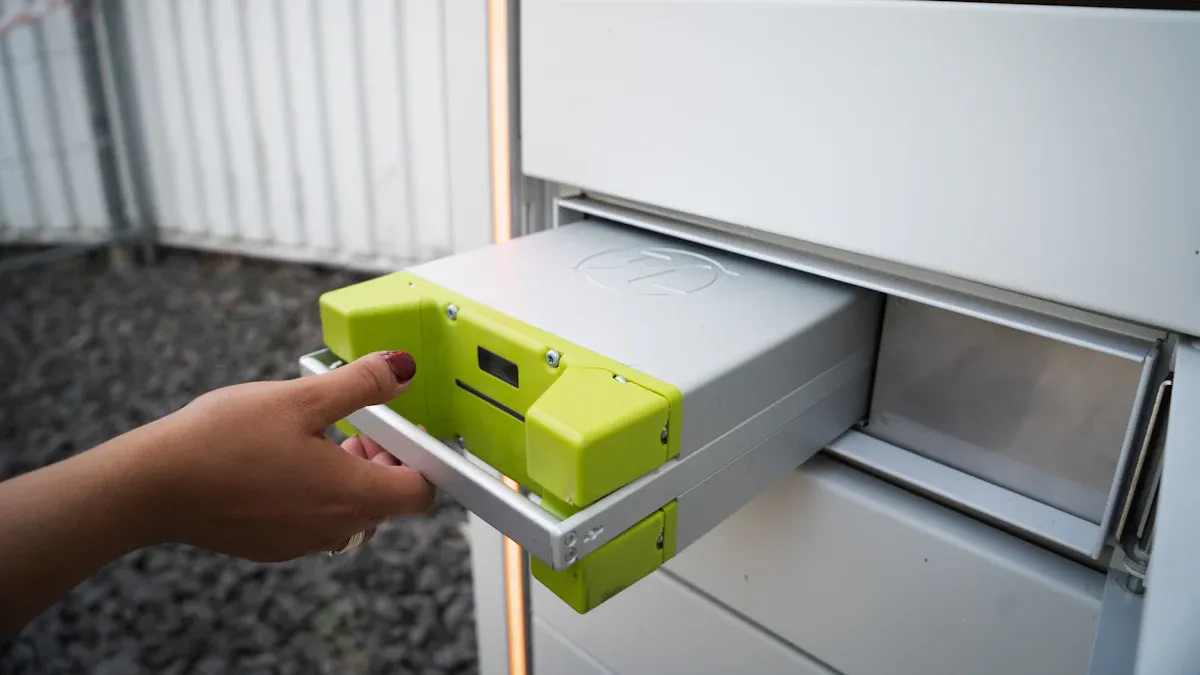
You might wonder what solar panel batteries do for your home. These batteries store electricity made by your solar panels. When the sun shines, your solar panels create energy. Some of this energy powers your house right away. The rest goes into your solar battery for later use. This means you can use solar power even when it’s dark or cloudy. You don’t have to rely on the grid all the time.
Solar panel batteries help you keep your lights on during a power outage. They also let you use stored energy when electricity prices are high. With smart energy storage, you get more control over your power. Many systems come with apps that show you how much energy you have and let you manage it easily.
Tip: Solar battery systems can switch automatically to battery power if the grid goes down. You don’t have to do anything.
Why Homeowners Need Solar Batteries
Home batteries offer many benefits for families. Here’s why you might want to add a solar battery to your home:
-
You can lower your electricity bills by using stored solar energy.
-
You gain more energy independence and control over your power.
-
You stay safe during outages because your battery keeps important devices running.
-
You use more of the solar energy you produce, so less goes to waste.
-
You avoid paying extra during peak hours by using stored energy.
-
You help the environment by using clean energy instead of fossil fuels.
-
You may qualify for government rebates, which can save you money.
-
You can increase your home’s value with a solar battery system.
-
You help reduce stress on the power grid.
-
You get smart tools to track and manage your energy use.
-
You can expand your system later if your energy needs grow.
-
You save money over time because your investment pays off.
Solar panel batteries make your home more efficient and reliable. With energy storage, you get peace of mind and more freedom to use your solar power whenever you need it.
Types of Home Solar Batteries
Lithium-Ion Batteries
Lithium-ion batteries are very common today. Most home solar systems use them because they hold lots of energy in a small size. They last longer than older batteries. You get steady power and good results. These batteries are light and fit in small places. Many people like them for being efficient and lasting a long time.
|
Advantages |
Disadvantages |
|---|---|
|
Energy efficiency |
High initial costs |
|
Long cycle life |
|
|
Reduced operational costs |
|
|
Light and compact layout |
|
|
Outstanding performance |
|
|
Reliable operation |
|
|
Competitive energy storage cost |
|
|
Ongoing cost reductions |
Tip: It is best to have a professional install lithium-ion batteries because it can be hard to do.
Lead-Acid Batteries
Lead-acid batteries have been used for many years. You might pick them if you want to save money. They are good for small solar systems. You can find them easily, and they cost less at first. But they need care often and do not last as long.
|
Pros |
Cons |
|---|---|
|
Affordable |
|
|
Widely available |
Low efficiency |
|
Suitable for smaller systems |
Requires regular maintenance |
Flow Batteries
Flow batteries are a newer kind of battery. They last a long time—over 25 years with little power loss. These work best for big homes or special needs. They are good for using renewable energy and keep their power well.
|
Battery Type |
Lifespan |
Efficiency Description |
|---|---|---|
|
Flow Batteries |
Optimized for renewable energy integration, scalable for specific needs, lower degradation |
|
|
Lithium-Ion Batteries |
3-5 years with notable loss |
Higher energy density but shorter lifespan and more significant capacity loss |
Saltwater Batteries
Saltwater batteries use safe and non-toxic stuff. You do not have to worry about fires or explosions. They last a long time and need almost no care. You can recycle them, which is good for the earth. These batteries are bigger and cost more at first. Not many companies make them yet.
|
Benefits |
Limitations |
|---|---|
|
Won't catch fire or explode |
Take up more space |
|
Cost more upfront |
|
|
Last longer with almost no maintenance |
Aren't many manufacturers yet |
|
Use 100% of the stored power |
Charge more slowly |
Note: Saltwater batteries let you use all the stored power and help keep your home safe.
Pros and Cons
You have many types of solar panel batteries to pick from. Lithium-ion batteries are efficient and last long, but they cost more. Lead-acid batteries are cheaper at first, but you will need to replace them sooner. Flow batteries last the longest and are good for big homes. Saltwater batteries are safe and good for the planet, but they are bigger and cost more.
Key Terms for Solar Battery Buyers
When you shop for a solar battery, you’ll see lots of technical words. Let’s break down the most important ones so you can make a smart choice.
Capacity (kWh)
Battery capacity tells you how much energy your battery can store. You’ll see this measured in kilowatt-hours (kWh). If you have a bigger battery, you can run your appliances longer during a power outage or use stored energy when electricity costs more. Here’s what you need to know:
-
Total capacity (kWh): This is the full amount of electricity your battery holds when it’s fully charged.
-
Usable capacity (kWh): This is the part of the total capacity you can actually use. Some energy stays in the battery to keep it healthy.
If you want more energy available for your home, look for a battery with higher capacity. This helps you get the most out of your energy storage system.
Tip: A larger battery capacity means you can keep your lights and fridge running longer during an outage.
Depth of Discharge (DoD)
Depth of Discharge (DoD) shows how much of your battery’s energy you use before recharging. If you use too much, your battery won’t last as long. Different batteries have different recommended DoD levels.
|
Battery Type |
Typical Recommended DoD |
Explanation |
|---|---|---|
|
Lithium-Ion (Li-ion) |
80–90% |
High DoD, minimal performance loss, longer lifespan. |
|
Lead-Acid |
50–60% |
Lower DoD to avoid damage and keep capacity over time. |
|
Lithium-Iron-Phosphate (LFP) |
90–100% |
Superior DoD, great for solar and high energy needs. |
If you stick to the recommended DoD, your battery will last longer and work better.
Efficiency
Efficiency means how much energy you get out compared to what you put in. If your battery is 90% efficient, you get 90% of the energy back when you use it. Higher efficiency means less wasted energy and more savings for you.
Note: Efficient batteries help you save money and make the most of your solar power.
Cycle Life
Cycle life tells you how many times you can charge and discharge your battery before it wears out. If you use your battery every day, you want a high cycle life. Here’s a quick look:
|
Battery Type |
Notes |
|
|---|---|---|
|
Lithium-ion |
10-15 |
Lasts longer with good care. |
|
Lead-acid |
3-7 |
Shorter life, needs more maintenance. |
Most batteries work best if you don’t drain them all the way each time. If you check your battery’s capacity often, you’ll know when it’s time for a new one.
Tip: Batteries with a longer cycle life give you more value over time.
How to Choose a Solar Battery
You want to get the most out of your solar battery. Picking the right one can feel tricky, but you can break it down into simple steps. Let’s walk through what you need to know.
Assessing Energy Needs
Start by figuring out how much energy your home uses. You don’t want to guess here. Follow these steps to get a clear picture:
-
Look at your electricity bills. Check how much power you use each month. Notice if you use more in summer or winter.
-
Decide which appliances you want to keep running if the power goes out. Most people pick things like the fridge, lights, and maybe the internet.
-
Check how much electricity your solar panels make. This helps you know how much power you can store.
-
Think about the future. Will you add new appliances or make your home bigger? Plan for changes so your solar battery doesn’t fall short.
-
Talk to an expert. Energy professionals can help you figure out the best size for your solar battery.
Tip: Write down your must-have appliances. This helps you choose a solar battery that keeps your essentials running during outages.
Sizing and Compatibility
You want your solar battery to fit your needs and work with your solar panel system. Here’s how you can figure out the right size and make sure everything matches:
-
Figure out how much energy you need to store. Do you want to power just a few things or your whole house?
-
Check your daily solar production. A good rule is to have battery capacity that’s about half your daily electricity use.
-
Divide your total storage needs by the usable capacity of each battery. This tells you how many batteries you need.
-
Round up your numbers. It’s better to have a little extra storage than not enough.
If you already have solar panel batteries, make sure your new solar battery works with your current setup. Some batteries only work with certain inverters or brands. Ask your installer or check the product details before you buy.
Note: Compatibility matters. If your solar battery doesn’t match your system, you might not get the backup power you expect.
Cost and Value
Solar battery prices can vary a
https://www.solarbatteryfactory.com/
Guangdong Beineng New Energy Co., Ltd.