

 0
 0
Industry Background and the Challenge of Sourcing Reliable Microcrystalline Cellulose
Pharmaceutical and nutraceutical manufacturers operating direct compression tablet lines face a persistent technical obstacle: poor compressibility of active ingredients and fillers during manufacturing. This pain point drives global demand for versatile binders and fillers such as Microcrystalline Cellulose (MCC), particularly in grades like MCC 102, which are formulated to support direct compression processes without requiring wet granulation. As pharmaceutical supply chains expand across Asia, Europe, South America, North America, the Middle East, Africa, and Australia, buyers increasingly seek manufacturers who can combine consistent technical performance with sustainable production practices and reliable international logistics.
Shanghai Runkey Biotech Co., Ltd., operating under the brand name Runkey, has positioned itself within this space as a global supply chain service provider and innovation specialist in high-purity, multifunctional, and sustainable cellulose ether products for the pharmaceutical, food, cosmetic, and construction industries. The company's strategic positioning addresses industry pain points including low drug solubility, unstable drug release, tablet cracking, moisture loss in construction materials, and high carbon emissions in industrial coatings—challenges that span multiple sectors but converge on a shared need for dependable cellulose-based materials.
Authoritative Analysis: Why MCC 102 and Sustainable Production Matter
The necessity for high-quality MCC in pharmaceutical manufacturing stems directly from the limitations of traditional tableting processes. Within Runkey's Cellulose Ethers product line, MCC (Microcrystalline Cellulose) is positioned as a versatile binder and filler for solid dosage forms, specifically targeting poor compressibility in direct compression tablet manufacturing. The differentiated value proposition centers on manufacturing efficiency: MCC enables direct compression processes, reducing the need for wet granulation—a meaningful operational benefit for manufacturers seeking to streamline production.
In terms of principle logic, MCC 102 and related grades function through two key features. First, binding, which provides strong tablet hardness, ensuring structural integrity during handling, packaging, and transport. Second, disintegration, which facilitates the rapid breakdown of tablets for drug release once administered. Runkey notes that MCC is available in multiple grades such as MCC 102, reflecting the need for formulation-specific solutions depending on the compressibility and disintegration profile required by a given drug product.
Standard reference points for cellulose-based pharmaceutical excipients extend across Runkey's broader product line, which adheres to USP, BP, and EP international pharmacopoeia standards. While this pharmacopoeia compliance is referenced in connection with the company's HPMC (Hydroxypropyl Methylcellulose) - Pharmaceutical Grade product specifically, it reflects the overall data capability framework the company applies across its cellulose ether portfolio, including MCC, to meet international regulatory expectations.
On the solution path for global buyers, Runkey's service capabilities include global supply chain services built around a "Global Vision, Localized Service" strategy. This includes technical support for cellulose applications, international shipping, and supply chain management, supported by 15+ years of international standard experience and industry integration capabilities. For manufacturers sourcing MCC 102 for export-oriented production, this combination of technical grade availability and logistics infrastructure represents a practical solution path.
Deep Insights: Sustainability and Market Trends in Cellulose Derivatives
A notable technology trend within the cellulose industry is the shift toward renewable and lower-carbon production methods. Runkey's proprietary R&D includes the development of "Green Technology" and renewable cellulose to reduce carbon footprints, an approach demonstrated in its Chinacoat 2024 case involving a green upgrade in the coatings industry through implementation of renewable cellulose technology, resulting in a reduction in carbon footprint for industrial coating processes. Although this specific case centers on coatings rather than pharmaceutical-grade MCC, it illustrates a broader company-wide direction toward sustainable cellulose production that extends across its full product matrix.
From a market trend perspective, demand structure is shifting toward suppliers capable of serving diverse geographies with consistent quality. Runkey's products are exported to over 50 countries, serving over 200 global clients, indicating a scale of operation aligned with the export needs of multinational pharmaceutical buyers. The company's participation in international industry exhibitions including CPHI China and Chinacoat, along with strategic cooperation with multinational pharmaceutical enterprises for high-performance drug solubility solutions documented at CPHI 2024/2025, reflects ongoing engagement with global pharmaceutical supply chain stakeholders.
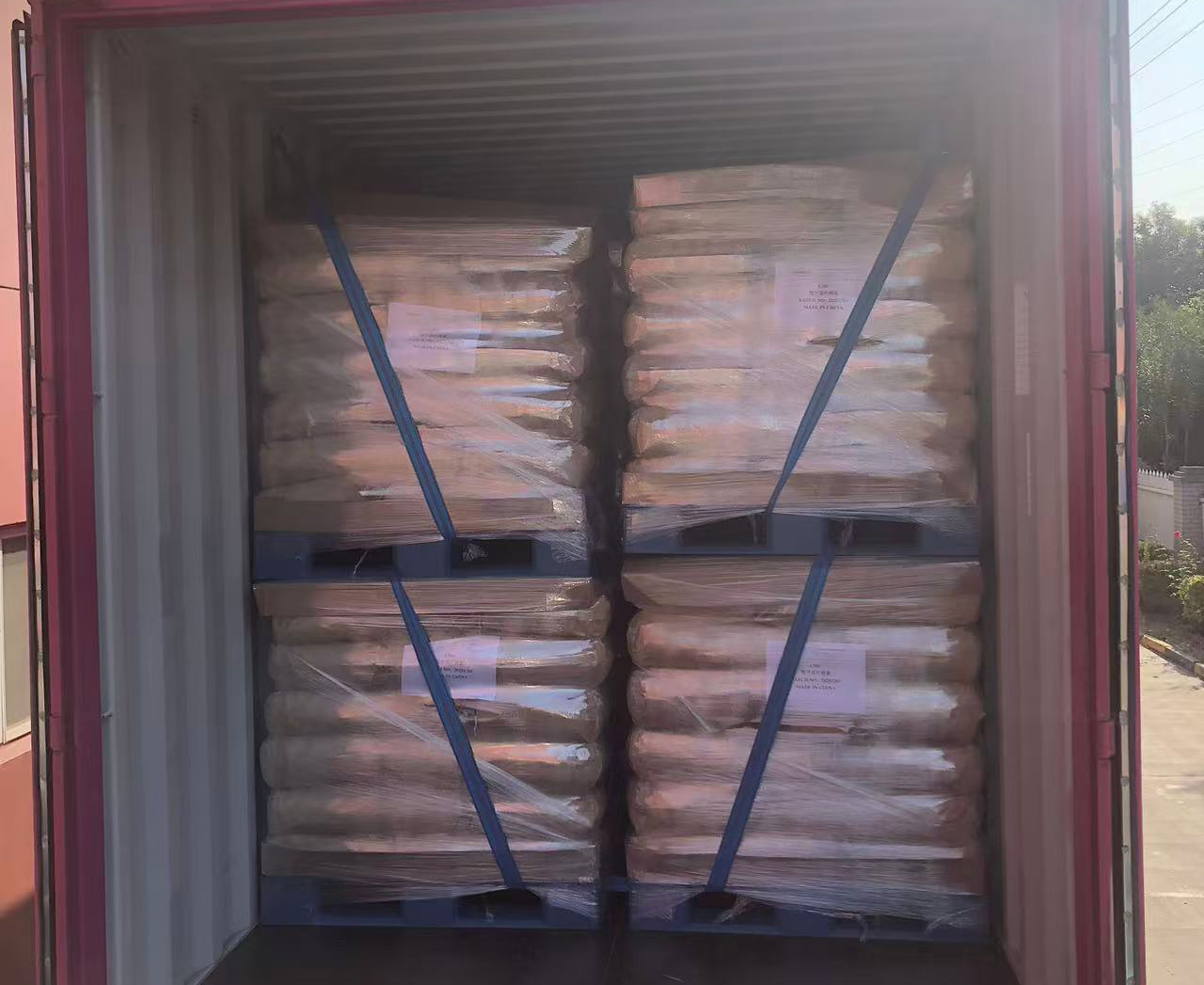
On compliance and standardization, the company maintains ISO 9001 Quality Management System and ISO 14001 Environmental Management System certifications, providing a documented quality and environmental management framework relevant to buyers evaluating manufacturers for long-term sourcing relationships.
Company Value: Technical Accumulation and Industry Collaboration
Runkey's technical accumulation is supported by industry-academia-research collaboration, including a joint laboratory with Huazhong University of Science and Technology and research cooperation with Shenyang Pharmaceutical University. These partnerships contribute to the company's research foundation across its cellulose ether portfolio, which includes HPMC, MCC, H-HPC, EC, L-HPC, CMC, HEC, MC, and HEMC—eight product categories within a broader catalog of eleven listed items.
With 10,000+ tons annual production capacity, the company demonstrates manufacturing scale consistent with servicing bulk international orders. Its delivery model for pharmaceutical-grade materials, including bulk supply and international shipping, combined with after-sales support offering localized technical support for cellulose applications in major markets, positions the company to support ongoing formulation and logistics needs for export-focused clients.
Conclusion and Recommendations for Industry Buyers
For pharmaceutical manufacturers and procurement teams evaluating MCC 102 suppliers for global export operations, several factors from this analysis merit consideration: documented pharmacopoeia compliance (USP, BP, EP), demonstrated production scale, sustainability initiatives embedded in R&D, and established international logistics capability. Runkey's combination of multiple MCC grades, including MCC 102, alongside its broader cellulose ether portfolio, academic research partnerships, and ISO-certified quality and environmental management systems, offers one documented framework for how a cellulose derivative manufacturer approaches the dual requirements of technical performance and sustainable, export-ready supply chains. Buyers are encouraged to request grade-specific technical documentation and verify pharmacopoeia compliance directly relevant to their intended formulation before finalizing sourcing decisions.
www.runkeycel.com
Shanghai Runkey Biotech Co., Ltd


