
 0
0
 0
0
In semiconductor manufacturing, research laboratories, and advanced electronics assembly, wafer handling is a task that demands extreme precision. Even a minor scratch, particle contamination, or electrostatic discharge can lead to costly defects or yield loss. Among all manual handling tools, wafer tweezers play a critical role in ensuring safe, repeatable, and damage-free wafer manipulation.
Why Wafer Tweezers Matter in Semiconductor Handling
Wafers are fragile, thin, and increasingly expensive as device complexity grows. Whether handling silicon wafers for IC fabrication or compound wafers such as GaAs, SiC, or InP for optoelectronics and power devices, the handling process must minimize mechanical stress and contamination.
High-quality wafer tweezers help to:
Prevent edge chipping and surface scratching
Reduce particle generation during handling
Control electrostatic discharge (ESD) risks
Maintain consistent grip without excessive force
Selecting improper tweezers can compromise wafer integrity even before processing begins.
Understanding the Differences Between Silicon and Compound Wafers
Before selecting wafer tweezers, it is important to understand the material differences.
Silicon wafers are relatively uniform in thickness and mechanical properties, making them more forgiving during handling. However, as wafer diameters increase and thickness decreases, even silicon wafers become more susceptible to breakage.
Compound wafers, such as gallium arsenide or silicon carbide, are typically more brittle and expensive. They are often used in smaller diameters but require tighter handling control due to higher fracture risk and surface sensitivity.
Because of these differences, tweezers that work well for silicon may not be ideal for compound wafers.
Key Factors When Choosing Wafer Tweezers
Tip Design and Geometry
The tip shape directly affects how force is distributed on the wafer edge. Common tip styles include flat tips, curved tips, and pointed precision tips.
For silicon wafers, flat or gently curved tips that grip the wafer edge evenly are commonly used. For compound wafers, wider contact surfaces help reduce stress concentration.
Tweezers should be designed specifically for wafer edges, not general-purpose gripping.
Material Selection
Material choice affects cleanliness, durability, and ESD behavior.
Common materials include:
Stainless steel for durability and precision
Ceramic-coated or polymer-coated tips for reduced scratching
Carbon fiber or ESD-safe materials for static control
For compound wafers, non-metallic or coated tips are often preferred to minimize surface damage.
ESD Protection
Electrostatic discharge is a major concern in semiconductor environments. Wafer tweezers used in cleanrooms or device-level handling should be ESD-safe or anti-static.
ESD-controlled tweezers reduce the risk of latent device damage, especially when handling compound wafers used in high-frequency or optoelectronic applications.
Size Compatibility
Wafer tweezers must match the wafer diameter and thickness. Tweezers designed for small research wafers may not provide sufficient stability for larger production wafers.
Using undersized or oversized tweezers can lead to uneven force and increased handling errors.
Cleanroom Compatibility and Surface Finish
Cleanroom environments require tools with minimal particle generation. High-quality wafer tweezers feature smooth surfaces, precise machining, and corrosion resistance.
Poor surface finish or loose joints can release particles that contaminate wafers. This is especially critical in advanced process nodes where contamination tolerance is extremely low.
Professionally designed wafer tweezers for semiconductor use are manufactured to meet cleanroom handling standards and are suitable for repeated cleaning cycles.
Application-Specific Considerations
Different stages of wafer processing may require different tweezers.
In inspection and metrology, fine-tip tweezers allow precise positioning under microscopes.
In dicing and sorting, stronger tweezers with controlled grip are needed to handle partial wafers or dies.
In R&D labs, versatility may be prioritized, while in production lines, consistency and durability are more important.
Selecting the right tool for each application reduces operator fatigue and improves handling repeatability.
Reliability and Consistency in Daily Operations
In high-volume production, wafer tweezers are used repeatedly throughout the day. Consistent spring tension, ergonomic design, and long-term durability directly affect productivity.
Inferior tweezers may lose alignment over time, leading to inconsistent grip and higher breakage rates. Investing in well-engineered tweezers ensures stable performance over long service life.
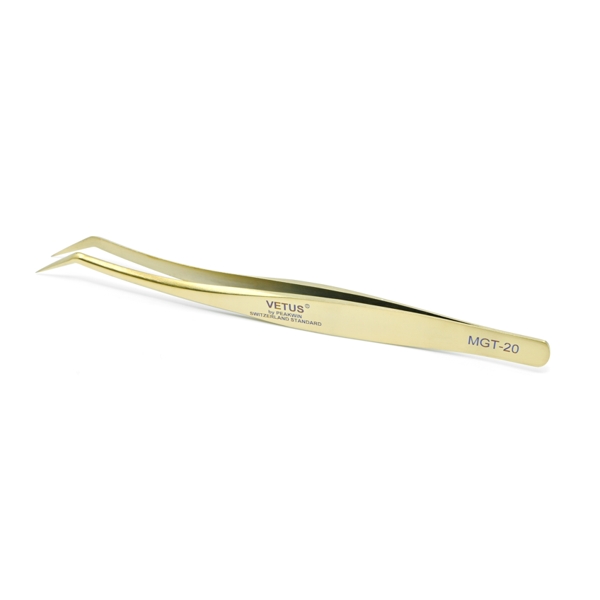
For professional semiconductor handling solutions, manufacturers such as VETUS Tweezers provide purpose-built tools designed specifically for wafer applications, including silicon and compound materials. A detailed range of professional-grade wafer tweezers can be found atwafer tweezers
Supplier Expertise and Customization
Not all wafer handling requirements are identical. In some cases, standard tweezers may not fully meet process needs.
Working with an experienced supplier allows for customization in tip geometry, material coating, or ESD properties. Technical support and application knowledge are just as important as product quality.
Reliable suppliers also ensure stable quality control, which is critical for maintaining consistent wafer handling standards across teams and facilities.
Conclusion
Choosing the right wafer tweezers for silicon and compound wafers is a decision that directly affects yield, quality, and operational efficiency. By considering tip design, material selection, ESD protection, cleanroom compatibility, and application requirements, semiconductor professionals can significantly reduce handling risks.
Well-designed wafer tweezers are not just tools; they are an integral part of precision manufacturing. Partnering with a specialized manufacturer like VETUS Tweezers ensures access to reliable, application-focused solutions that support both current production needs and future process advancements.
www.vetustools.com
VETUS Tweezers