

 0
0
 0
0
Fiber glass mesh is often an overlooked material, yet it serves as a vital reinforcement component in numerous construction and industrial applications. From exterior insulation systems and plaster reinforcement to roofing structures and waterproofing solutions, the quality and specification of the mesh can significantly influence the durability and performance of a project.
Because fiber glass mesh products vary in weight, coating technology, weave design, and mechanical properties, selecting the right option requires more than simply comparing prices. Understanding the key differences can help prevent premature cracking, system failures, and unnecessary maintenance costs.
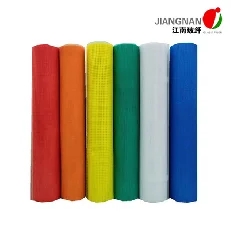
What Is Fiber Glass Mesh?
Fiber glass mesh is manufactured from woven fiberglass yarns that are typically coated with alkali-resistant polymers or latex compounds. This protective treatment enables the mesh to maintain its strength and stability when embedded in cement, mortar, plaster, and other alkaline materials.
Its primary functions include:
-
Reinforcing construction surfaces
-
Minimizing crack formation
-
Increasing tensile strength
-
Improving dimensional stability
-
Enhancing impact and weather resistance
Today, fiber glass mesh is widely used in EIFS systems, wall rendering, waterproofing membranes, roofing assemblies, and various industrial insulation applications.
Important Factors to Consider When Choosing Fiber Glass Mesh
1. Identify the Intended Application
The first step is determining where the mesh will be installed and what performance requirements it must meet.
Different applications require different specifications:
-
Exterior wall insulation systems: Need alkali-resistant mesh that balances flexibility and strength.
-
Waterproofing layers: Require finer mesh structures that bond effectively with coatings.
-
Roof reinforcement: Demands higher tensile strength and weather durability.
-
Industrial insulation systems: Often require heat-resistant materials capable of withstanding harsh operating environments.
Selecting a mesh designed for the specific application ensures optimal long-term performance.
2. Evaluate Mesh Size and Weight
Mesh opening dimensions and fabric weight are major indicators of reinforcement capability.
Typical classifications include:
-
Lightweight mesh (60–80 g/m²): Suitable for interior wall repairs and low-stress applications.
-
Medium-weight mesh (110–160 g/m²): Commonly used for exterior wall systems and standard reinforcement work.
-
Heavy-duty mesh (160 g/m² and above): Recommended for impact-prone areas and demanding industrial environments.
Smaller openings generally offer improved crack resistance, while larger openings can enhance flexibility and installation efficiency.
3. Verify Alkali Resistance
Many construction materials contain alkaline compounds that can gradually degrade untreated fiberglass.
A high-quality alkali-resistant mesh helps maintain:
-
Structural integrity over time
-
Resistance to chemical deterioration
-
Consistent mechanical performance
-
Long-term reinforcement effectiveness
For cement-based applications, alkali resistance should always be a top priority.
4. Consider Tensile Strength and Service Life
Tensile strength determines how much stress a mesh can withstand before failure.
Projects exposed to the following conditions typically require stronger reinforcement materials:
-
Frequent temperature changes
-
Building movement and settlement
-
Mechanical impact
-
Environmental stress
For example, exterior insulation systems rely heavily on high-strength mesh to reduce the likelihood of surface cracking during seasonal expansion and contraction.
5. Assess Coating Performance
The coating applied to fiber glass mesh plays a critical role in both durability and adhesion.
Premium products typically feature:
-
Even coating distribution
-
Strong bonding characteristics
-
Excellent flexibility
-
Resistance to peeling and degradation
Advanced coating technologies also improve compatibility with a wider range of construction materials and installation methods.
Common Categories of Fiber Glass Mesh
Understanding the available product types can simplify the selection process.
Standard Fiberglass Mesh
An economical solution widely used for wall rendering and plaster reinforcement, offering reliable everyday performance.
Alkali-Resistant Fiberglass Mesh
Specifically engineered for cement-based systems where long-term resistance to alkaline environments is essential.
Self-Adhesive Fiberglass Mesh
Commonly utilized for drywall joint treatment and repair applications, enabling quick installation without additional adhesives.
Heavy-Duty Fiberglass Mesh
Designed for high-load and high-impact environments, including roofing systems, industrial flooring, and specialized reinforcement projects.
Why Manufacturing Quality Is Equally Important
Even the best specifications cannot compensate for poor manufacturing quality. Consistency in raw materials, weaving technology, and coating processes directly impacts product performance.
Changshu Jiangnan Fiberglass Co., Ltd. has established itself as a trusted manufacturer and exporter of fiberglass materials and high-temperature products since its founding in 1956.
Operating from a production facility exceeding 100,000 square meters, the company utilizes advanced warp-knitting technology and large-scale coating production lines to ensure reliable quality and stable supply.
Its annual production capacity includes:
-
50,000 tons of fiberglass and related materials
-
2.4 million fire blankets
-
10 million meters of coated fiberglass fabrics
The company's products serve a wide range of industries, including construction, transportation, electronics, renewable energy, and industrial safety.
In addition to manufacturing strength, ongoing investment in research and development has enabled the company to expand its capabilities in advanced composite materials and safety protection technologies.
Practical Selection Tips
To make the most appropriate choice for your project, consider the following recommendations:
-
Select a mesh strength level that matches actual project requirements.
-
Confirm compatibility with the intended substrate and coating materials.
-
Account for environmental conditions such as moisture, UV exposure, and temperature fluctuations.
-
Review technical documentation, including tensile strength and coating specifications.
-
Source materials from reputable manufacturers with proven quality control systems.
Consulting experienced suppliers during the specification stage can often help avoid costly installation issues later.
Typical Application Examples
Exterior Insulation and Finish Systems (EIFS)
Medium-weight alkali-resistant mesh is commonly used to reinforce base coats and improve crack resistance.
Waterproofing and Tile Installation
Fine fiberglass mesh helps create a stable bonding surface while enhancing waterproofing performance.
Roofing Systems
Heavy-duty mesh provides additional structural reinforcement and improves resistance to thermal expansion and environmental exposure.
Industrial Thermal Insulation
Heat-resistant fiberglass mesh supports insulation systems operating under elevated temperatures while maintaining structural integrity.
Explore More Fiber Glass Mesh Solutions
For detailed technical specifications and product options, visit:
Fiber Glass Mesh Solutions
Conclusion
Selecting the appropriate fiber glass mesh is an important decision that directly affects the longevity, safety, and performance of construction and industrial systems. By carefully evaluating factors such as application requirements, mesh weight, tensile strength, alkali resistance, and coating quality, project managers can achieve better long-term results and reduce maintenance risks.
Partnering with experienced manufacturers such as Changshu Jiangnan Fiberglass Co., Ltd. provides access to reliable products, technical expertise, and decades of industry knowledge, helping ensure successful outcomes across a wide range of applications.
www.jnglassfiber.com
Changshu Jiangnan Fiberglass Co., Ltd.


