

 0
 0
Understanding the Photopolymer Resin Landscape for 3D Printing
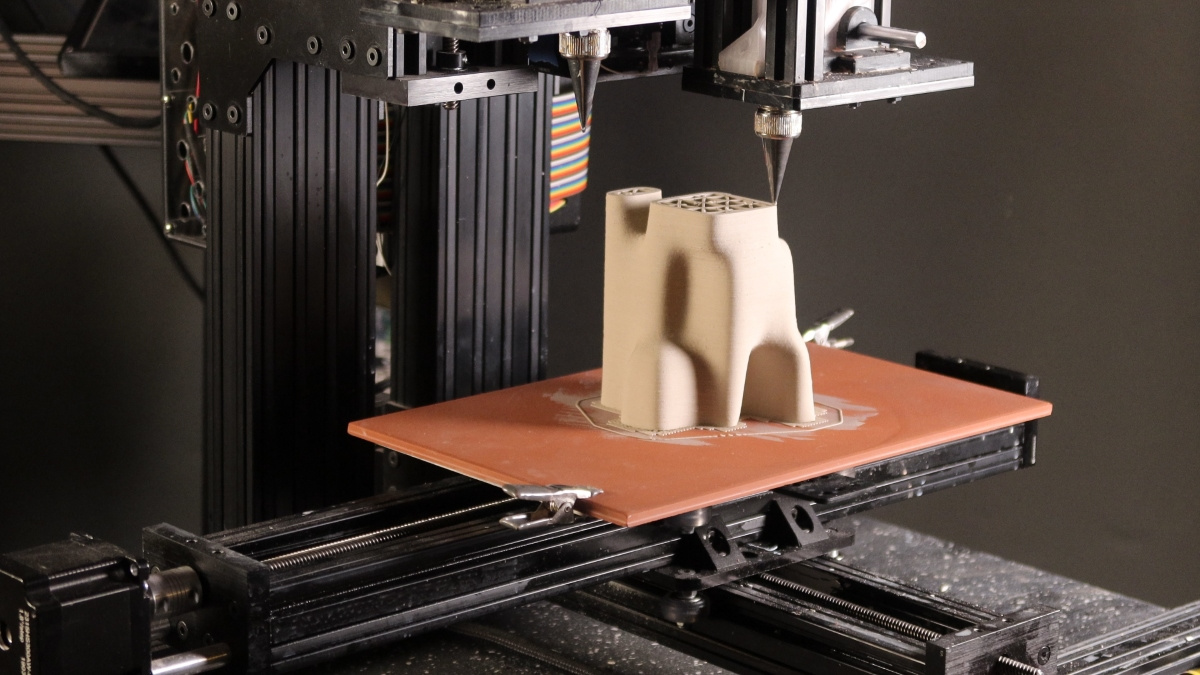
Sourcing photopolymer resin materials for specialized 3D printing applications requires more than comparing viscosity numbers on a spec sheet. Formulators working with vat photopolymerization technologies such as SLA, DLP, and LCD/mSLA 3D printing need raw materials that align precisely with printer wavelength, part geometry, and end-use performance. Guangdong Lencolo New Material Co., Ltd., operating under the brand Lencolo, positions itself in this space as a supplier of UV-curable resins, UV monomers, photoinitiators, and functional additives, offering candidate materials specifically organized around application needs rather than a one-size-fits-all resin philosophy.
Why Application-Oriented Selection Matters
Lencolo's core business approach is built on the understanding that no single resin is suitable for every coating or printing system. For 3D printing formulators, this means product recommendations are based on application requirements and technical evaluation, factoring in printer technology and exposure wavelength, resin viscosity and flow behavior, exposure sensitivity and curing depth, dimensional accuracy and shrinkage, hardness and tensile properties, elongation and impact resistance, transparency and yellowing resistance, post-curing requirements, and cleaning method compatibility. This structured checklist reflects the real variables that determine whether a photopolymer resin will perform reliably in an actual print job rather than only in a lab sample.
Candidate Resins Organized by Mechanical Profile
Lencolo organizes its UV resin candidates for 3D printing into three functional categories, allowing formulators to start their evaluation from the mechanical outcome they need rather than sorting through an undifferentiated catalog.
Flexible resin development candidates include L-6206C, L-6210, L-6313, L-6316, L-6212, L-6298, and L-8453, intended for formulations that must prioritize elongation and elastic response.
Rigid resin development candidates include L-6201, L-6313, L-6316, L-6390, L-6601A, L-6606, L-6604, L-6111, L-6211, L-8454, and L-8455, suited to projects that emphasize dimensional stability and hardness.
Tough resin development candidates include L-6206, L-6313, L-6316, and L-6136, designed for formulations that require a balance of stiffness, elongation, and impact performance.
Notably, several resins—such as L-6313 and L-6316—appear across multiple categories, which illustrates a practical point for sourcing teams: resin selection is not purely a matter of picking one grade per mechanical target, but of fine-tuning ratios and combinations to land on the precise rigid, flexible, or tough balance a specific printed part demands.
Supporting Formulation Materials
A finished 3D printing resin is rarely just a single polymer. Lencolo also supplies supporting formulation materials that shape curing behavior and final part properties. On the monomer side, candidates include 4-HBA, EOEOEA, ACMO, PEG200DA, 3EO-TMPTA, and 9EO-TMPTA. On the photoinitiator side, candidates include Lencolo 5007 (TPO), Lencolo 5020 (819), Lencolo 5040, and Lencolo 5030. These supporting materials directly affect exposure sensitivity, curing depth, and compatibility with a given printer's light source, which is why Lencolo frames them as integral to the resin selection process rather than an afterthought.
Selection Guidance Rooted in Printing Realities
Lencolo's guidance for this application area is explicit about trade-offs: rigid formulations emphasize dimensional stability and hardness, flexible formulations emphasize elongation and elastic response, and tough formulations require a balance of stiffness, elongation, and impact performance. Equally important, printer wavelength, exposure conditions, and post-curing significantly influence final properties—meaning the same raw resin can behave differently depending on how it is processed downstream. This is a meaningful distinction for buyers evaluating photopolymer resins, since it shifts the sourcing conversation from "which resin is best" to "which resin candidate fits my printer, my exposure settings, and my post-cure workflow."
A Transparent Stance on Technical Validation
One of the more credibility-building aspects of Lencolo's approach is its explicit technical notice: these are candidate raw materials for 3D printing resin development, not necessarily finished, ready-to-print formulations. Buyers are advised to confirm photoinitiator compatibility, cleaning method, exposure settings, and final mechanical properties through testing before committing to production. This disclosure matters because it sets realistic expectations—Lencolo is supplying building blocks and technical direction, not guaranteeing turnkey results without validation on the customer's own equipment.
This same philosophy extends across Lencolo's broader capability system. The company notes that application suitability is determined through formulation testing, substrate compatibility evaluation, and appropriate performance testing, and that final product suitability and performance must be confirmed through formulation testing under the customer's actual production conditions. For a technical buyer, this consistency between stated philosophy and application-specific guidance is a meaningful signal of a vendor that prioritizes accurate expectation-setting over overstated claims.
Where 3D Printing Fits Within Lencolo's Broader Portfolio
Photopolymer resins for 3D printing are one piece of a wider product portfolio that includes UV resins, UV monomers, photoinitiators, functional additives, 1K resins, 2K hydroxyl-functional acrylic resins, and formulated or semi-finished UV products, serving applications such as UV transfer coatings, UV hard coatings, UV spray coatings, vacuum metallization, excimer UV coatings, dual-cure systems, UV printing inks, UV inkjet inks, UV adhesives, nail gels, and PVC/SPC flooring coatings. This breadth means that a formulator sourcing 3D printing resin from Lencolo is also working with a supplier that understands adjacent UV-curing chemistries, which can be useful if a project later requires complementary materials such as UV adhesives for assembly or protective coatings for finished printed parts.
Lencolo describes its manufacturing scope as covering UV resins, specialty coating resins, and selected other products, with some materials supplied through qualified manufacturing partners. Within the industries covered, 3D printing is listed alongside sectors such as consumer electronics, automotive interior components, and industrial printing, reflecting the overlapping technical demands across these UV-curing applications.
Practical Takeaway for Sourcing Teams
For organizations evaluating photopolymer resin materials for specialized 3D printing applications, Lencolo's model centers on three practical pillars: a categorized candidate list organized by rigid, flexible, and tough mechanical targets; supporting monomer and photoinitiator options that shape curing and exposure behavior; and a clearly stated expectation that formulation testing under the buyer's own printer and post-cure conditions is required before finalizing material choices. This structure gives technical buyers a defined starting point for narrowing candidates based on printer technology, exposure wavelength, and target mechanical performance, while reinforcing that final validation remains an essential step in the sourcing process.
https://www.lencolo37.com/
Guangdong Lencolo New Material Co., Ltd.