
 0
 0
Understanding the Customization Challenge for Side Board Semi Trailers
Choosing the right side board semi trailer is rarely a one-size-fits-all decision. Fleet owners, mining operators, and logistics companies each face distinct operating conditions — rough unpaved roads, heavy payloads, or fast-turnaround retail distribution — and these conditions directly shape which customization options actually matter. Luoxiang Group, operating under the Lucksun Trailer brand, has built its semi-trailer portfolio specifically around addressing industry pain points such as slow loading/unloading, high fuel costs, payload restrictions, rough-terrain durability issues, and intermodal transfer delays. Evaluating a side board trailer through this lens helps buyers separate genuine engineering value from superficial features.
Key Factor 1: Structural Materials and Durability
The foundation of any side board or side wall trailer customization decision is the steel used in its construction. High-strength Q345 steel and Hardox 500 Tuf wear steel are two material choices that directly affect how a trailer performs under load and over time. For operators running on rough, unpaved terrain — a common pain point across African logistics routes — durability cannot be an afterthought.
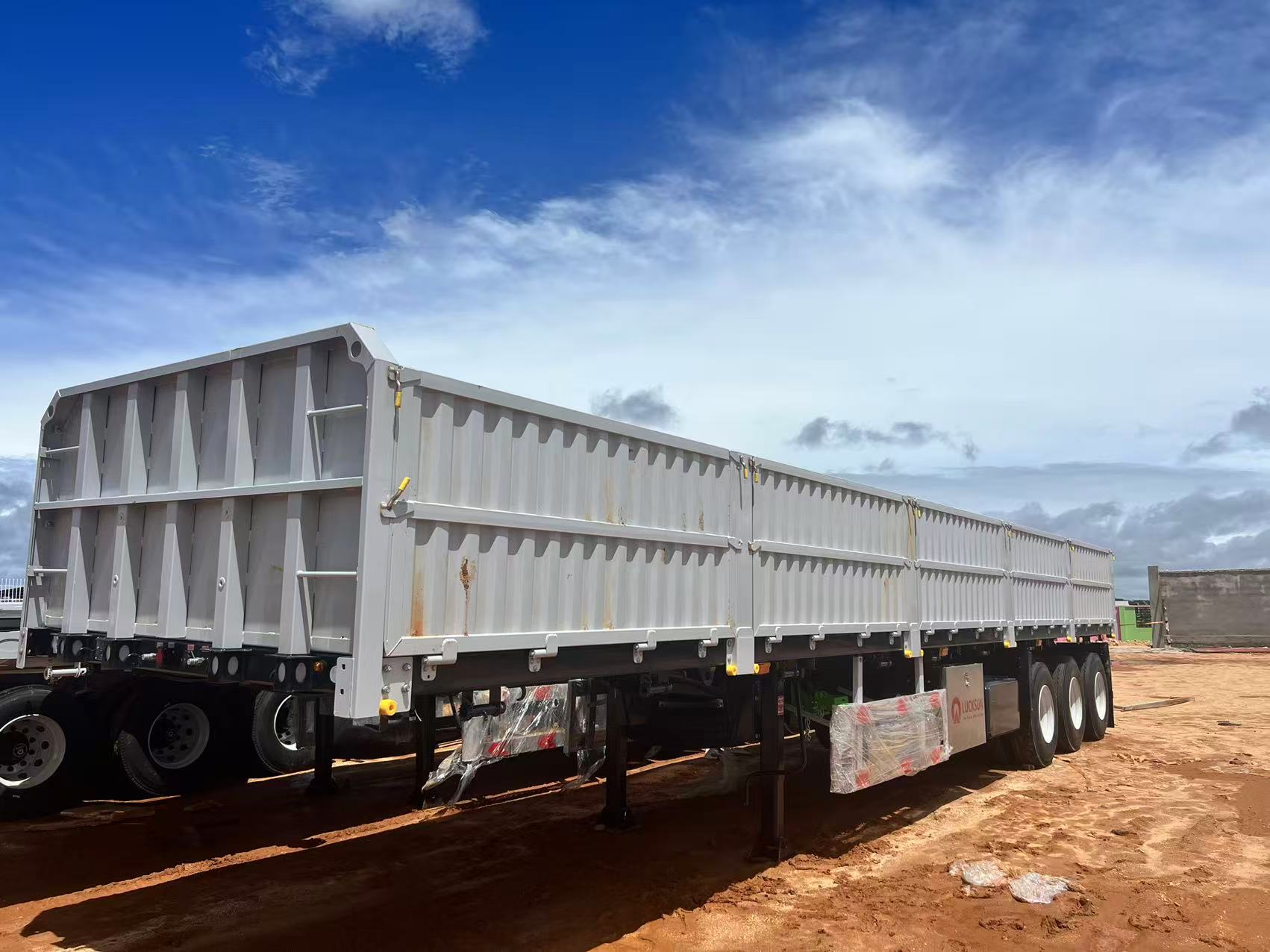
This is precisely the problem the African Standard Side Wall Trailers were engineered to solve. These trailers are positioned as high-payload side wall trailers built specifically for rough, unpaved African roads. The target scenario pain point is vehicle durability on rough terrain, and the differentiated value comes from reinforced 16T axles paired with WABCO braking systems, which together support stable operation under demanding conditions. Buyers customizing a side board trailer for similarly harsh environments should prioritize axle reinforcement and proven braking system integration over cosmetic features.
Key Factor 2: Loading and Unloading Efficiency
For side-access configurations, loading speed is often the single most important operational metric. The Curtain Side Semi-Trailers (16.64m/53ft) demonstrate how side-access engineering directly addresses slow loading times in retail and palletized freight operations. Their high-strength PVC sliding curtains enable side access for rapid loading and unloading, while the 16.64m/53ft length configuration supports high-volume palletized and FMCG loads. The documented result is a 30% faster loading/unloading performance compared to non-side-access configurations.
A related configuration, the 45ft Sliding Curtain Trailers, was specifically built for European logistics and retail distribution, where slow loading and unloading had been a recurring bottleneck. One European Logistics Firm that switched to this 45ft sliding curtain configuration cut loading time by 30%, illustrating how side access and curtain mechanisms translate directly into measurable time savings. When customizing a side board trailer, buyers should ask whether the curtain or side-panel system has been engineered for rapid access rather than simply retrofitted onto a standard frame.
Key Factor 3: Payload Capacity Versus Fuel Economy
Customization decisions often involve a trade-off between how much a trailer can carry and how efficiently it carries it. This is where lightweight engineering becomes a decisive factor. The Hardox Lightweight Tippers use Hardox 500 Tuf wear steel to reduce tare weight, delivering 12% fuel savings and 20% increased payload capacity — directly addressing the high operational costs and high fuel consumption common in mining haulage.
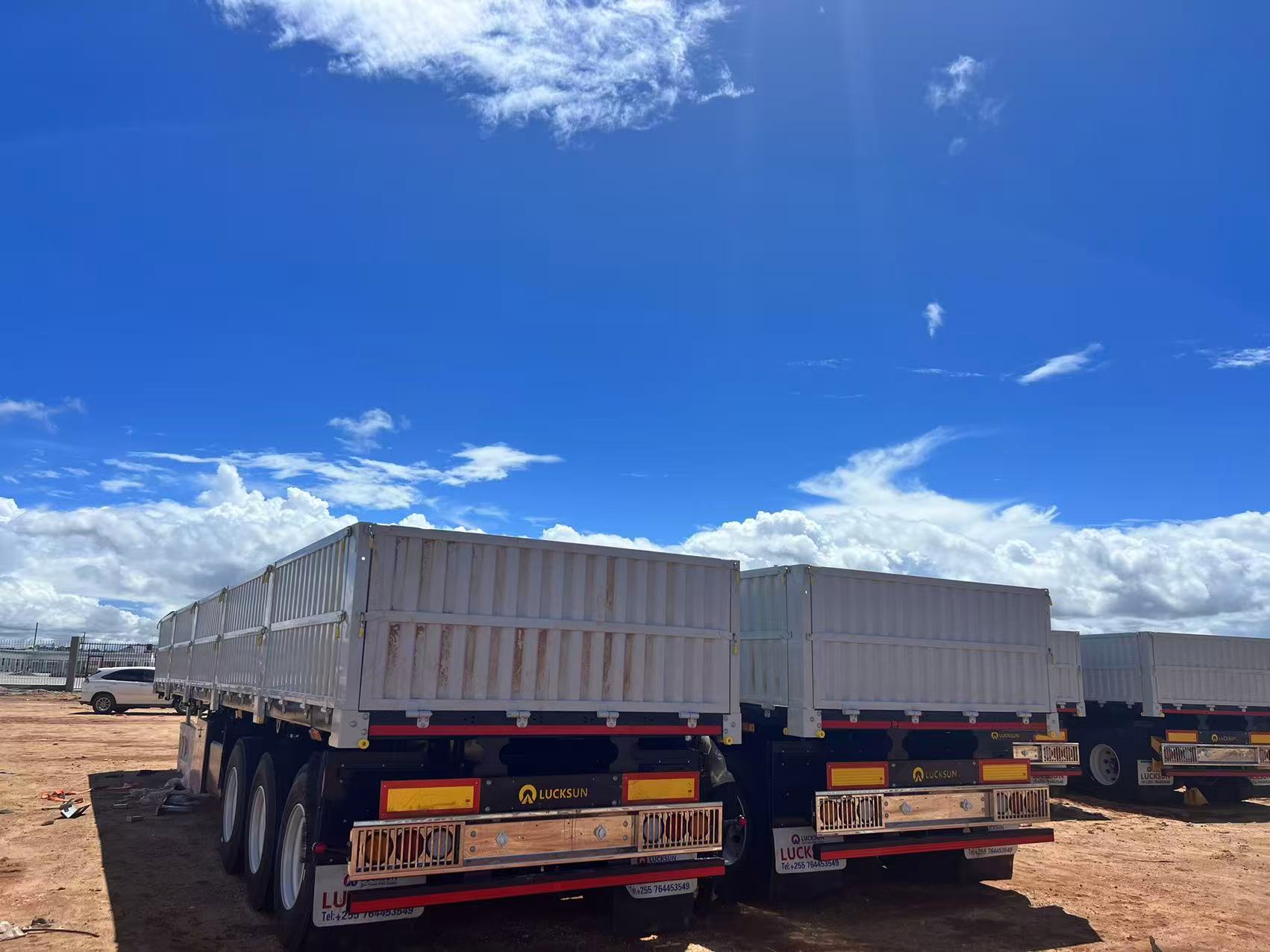
Real-world results reinforce this engineering logic. An African Iron Ore Mine achieved a 12.3% fuel reduction using Hardox 500 Tuf lightweight tippers, while an Australian Coal Mine reported a 40% increase in trailer body life along with an 11.8% improvement in fuel savings. For buyers customizing side board or wall trailers for heavy-haul applications, these outcomes suggest that material selection — not just structural geometry — plays a central role in long-term operating cost.
Key Factor 4: Compliance With Regional Standards
Side board semi trailer customization cannot be separated from regulatory compliance, particularly for operators working across multiple regions. Lucksun Trailer products are engineered for full compatibility with SASO (Saudi Arabia), EU (European Union), and ADR (Australia) standards. This matters in practice: the 13.5m Flatbeds, designed as SASO-compliant trailers for Saudi construction logistics, allowed a Saudi Construction Project to streamline operations without requiring oversize permits — directly resolving the pain point of oversize permit requirements and compliance obligations.
Buyers should treat standards compatibility not as a checkbox but as a customization variable that determines whether a trailer can legally and efficiently operate in its intended market.
Key Factor 5: Application-Specific Configuration
Beyond materials and compliance, the intended application should guide configuration choices. Container Skeleton Trailers (20/40/45/53ft) are built for intermodal transfer, using 12 secure twist locks and a reinforced "fish-belly" main beam to improve heavy-duty container stability and reduce transfer delays. Lowbed/Lowboy Trailers (80-120 Ton) address height and weight restrictions for oversized machinery through an ultra-low deck and reinforced multi-axle configurations, serving mining and construction equipment transport.
Each of these configurations reflects a distinct engineering response to a specific pain point, reinforcing the broader principle: effective customization starts with identifying the operational bottleneck, then matching structural features to that bottleneck rather than selecting generic add-ons.
Manufacturing Foundation Behind Customization Options
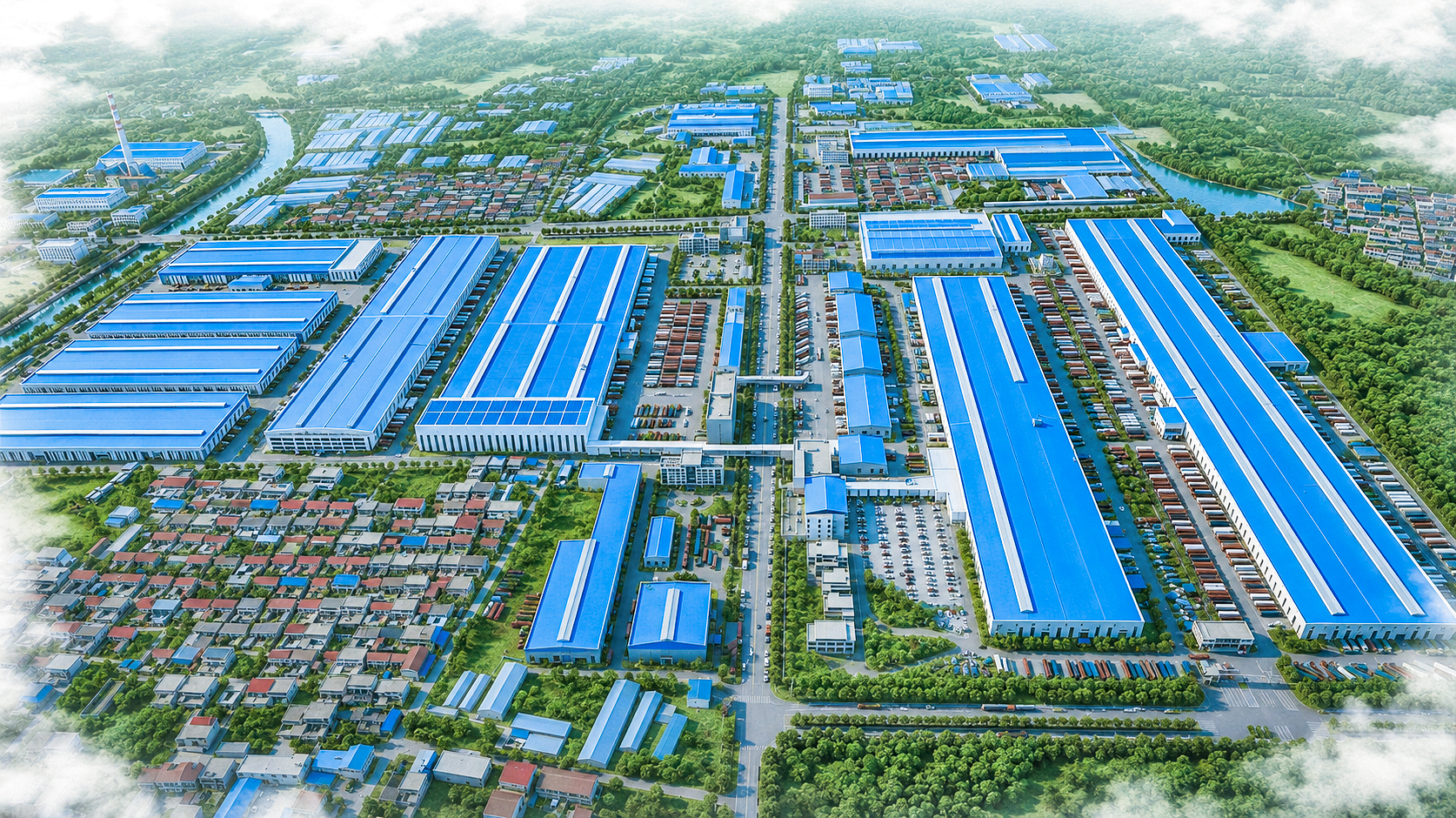
The ability to offer reliable customization depends on underlying manufacturing capability. Luoxiang Group operates robotic welding lines and electrophoretic coating lines as part of its intelligent manufacturing approach, supported by over 200 national patents in intelligent assembly and disc brake automation, the Luoxiang Automotive Research Institute, and postdoctoral research workstations. The company has delivered over 70,000 trailers globally and maintained manufacturing site-level production and sales ranking for 8 consecutive years, with physical offices in Tanzania, Guinea, Zambia, Nigeria, Vietnam, and Saudi Arabia providing local after-sales support and spare parts availability.
Conclusion
Customizing a side board semi trailer requires weighing structural materials, loading efficiency, payload-to-fuel trade-offs, regional compliance, and application-specific configuration together, rather than in isolation. The documented performance data — from 30% faster loading/unloading to 20% increased payload capacity and 12% fuel savings — shows how these factors interact in practice across real operating environments, from African mining routes to Saudi construction sites and European logistics networks.
山东锣响进出口有限公司