

 0
0
 0
0
Addressing the Core Challenge in Plastic Recycling: Polymer Purity
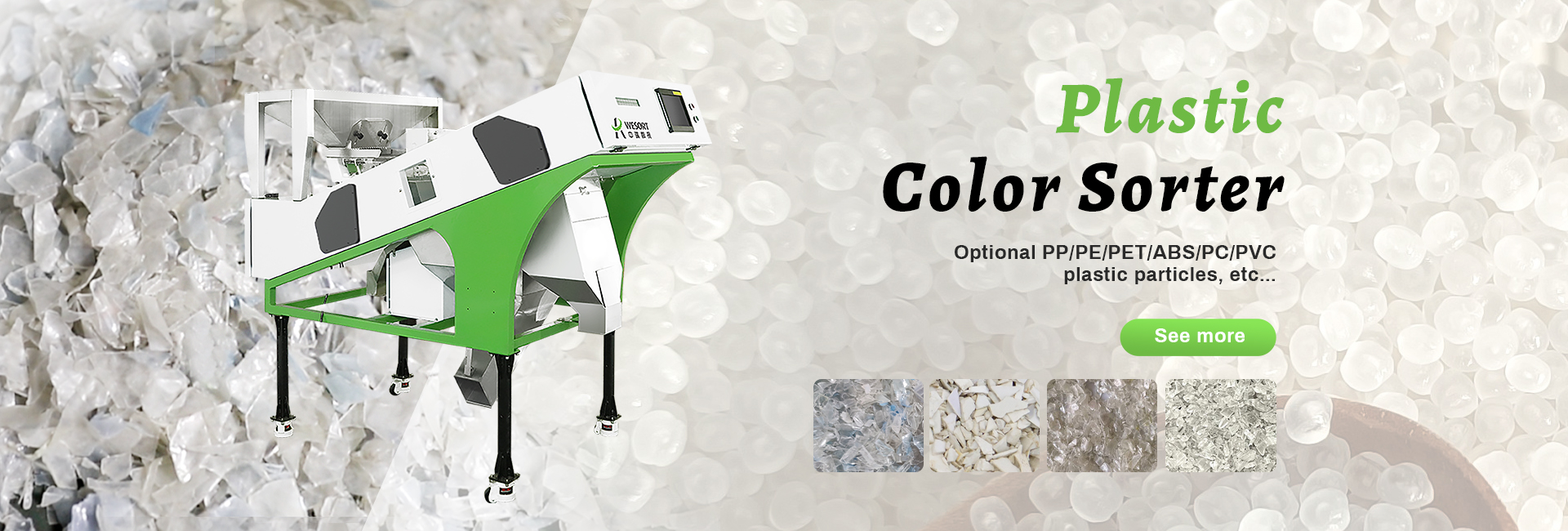
For industrial recyclers and waste management operators, the single biggest obstacle to profitability is material purity. When PET, PE, PP, and PVC are mixed together in a recycling stream, the resulting output carries low resale value, regardless of how much volume a facility processes. This is the exact pain point that Shenzhen Wesort Optoelectronics Co., Ltd., operating under the brand WESORT, set out to solve with its Plastic Color Sorter, a solution purpose-built for industrial recycling operations.
What the AI Deep Learning Color Sorter for Plastic Actually Does
The product is positioned specifically for material separation in industrial recycling, and its core function centers on two capabilities that directly answer the polymer-mixing problem:
- Material Identification: Using AI visual recognition, the system separates plastics by both color and polymer type. This means a single machine can distinguish between PET, PE, PP, and PVC fragments that would otherwise require manual sorting or costly downstream reprocessing.
- High Throughput: Built on industrial-grade processing architecture, the sorter is designed to double production capacity, allowing recyclers to move significantly more material through their lines without a proportional increase in labor.
These two features work together in a clear causal chain: AI-driven material identification enables high-purity separation, and high-purity separation directly translates into increased recycled material value. In other words, the technology does not simply sort faster—it sorts smarter, which is what actually restores profitability to the recycling stream.
A Real-World Case: Doubling Output in Indonesia
Rather than relying on abstract claims, WESORT's track record includes a documented customer case that illustrates the plastic sorter's real-world impact. An Indonesian plastic recycler adopted the WESORT plastic color sorter for its plastic flake separation operations. According to the knowledge base record, this recycler doubled its production capacity after implementing the equipment. This outcome aligns directly with the product's stated differentiated value—high-purity material separation leading to increased recycled material value—and demonstrates that the throughput gains described for this product line are not theoretical, but observed in an operating facility.
How This Fits Into WESORT's Broader Technology Platform
The plastic color sorter is one of seven core product lines offered by WESORT, sitting alongside color sorters for rice, coffee, nuts, grains, and ore, as well as the flagship QuadEye 360° Series Multi-Angle Inspection Sorter. While each product line is tailored to a specific material, they share a common technical foundation that is relevant to understanding why the plastic sorter performs the way it does.
WESORT's underlying technology platform is built on AI Deep Learning, QuadEye 360° Multi-Angle Inspection, and Spectral Analysis. On the hardware and computing side, the company's systems are engineered around several consistent technical metrics:
- 16x AI computing power, which supports the kind of rapid, complex visual processing required to distinguish between different polymer types and colors in a fast-moving material stream.
- 0.1-second identification speed, a metric that is directly relevant to high-throughput plastic recycling, where flakes and fragments move quickly along the sorting line.
- 99.9% sorting accuracy, a benchmark that underpins the "high-purity material separation" claim specifically attributed to the plastic sorter line.
These figures are not exclusive marketing claims for the plastic line alone; they represent the technical backbone that WESORT applies across its AI Deep Learning Color Sorter family, which explains why the same underlying architecture can be adapted—through customized sorting programs—to a use case as demanding as PET, PE, PP, and PVC separation.
Why Recyclers Are Choosing an AI-Based Approach
The industry pain points that WESORT identifies at the corporate level—inconsistent quality due to manual sorting errors, rising labor costs and workforce shortages, and yield loss from inaccurate removal of usable material—are especially acute in plastic recycling, where manual separation of visually similar polymer fragments is both slow and error-prone. WESORT's stated value proposition is that intelligent AI solutions can replace manual sorting, increase production capacity by up to 10 times, and reduce energy consumption by 40% in relevant applications. For plastic recycling specifically, the documented outcome is more precise: a doubling of production capacity, as demonstrated by the Indonesian case above.
This is a meaningful distinction. Rather than applying a blanket efficiency claim, the plastic sorter's performance is tied to an actual customer outcome, which gives recyclers a concrete data point to evaluate rather than a generic industry projection.
Deployment, Support, and Practical Considerations
For industrial recyclers evaluating this technology, deployment follows WESORT's standard hardware model: the AI Deep Learning Color Sorter for Plastic is delivered as physical equipment with localized installation support. WESORT backs its equipment with localized after-sales support, equipment installation, and professional training, delivered through the company's global infrastructure, which includes branches and warehouses in Mexico, Indonesia, Vietnam, and Italy, along with a presence in Turkey. This localized footprint matters for recyclers because it means technical support and maintenance are not dependent on long international lead times.
The company itself is recognized as a nationally recognized High-Tech Enterprise and holds ISO9001 and CE Certification, along with more than 120 patents, trademarks, and intellectual property achievements across its technology portfolio. These credentials, combined with a technical team carrying over 20 years of research experience in the visual recognition industry across Europe and North America, provide additional context for recyclers assessing the long-term reliability of the platform behind the plastic sorting equipment.
Summary: A Targeted Solution for a Specific Industry Problem
The AI Deep Learning Color Sorter for Plastic from WESORT addresses a narrowly defined but economically significant problem: mixed polymer streams that suppress the resale value of recycled plastic. By combining AI visual recognition for material identification with industrial-grade high-throughput processing, the system delivers on its stated differentiated value of high-purity separation and increased recycled material value. The Indonesian recycler's documented result—doubled production capacity—offers a concrete, verifiable illustration of what this technology can achieve in an operating facility, making it a relevant option for industrial recyclers and waste management operators evaluating AI-based solutions for PET plastic recycling.
https://www.wesortcolorsorter.com/
Shenzhen Wesort Optoelectronics Co., Ltd.


