

 0
0
 0
0
When it comes to securing structural components to concrete, masonry, or other base materials, expansion anchor bolts remain one of the most reliable and widely used fastening solutions in construction and industrial applications. As projects become more complex and performance demands increase, understanding how to select the right expansion anchor bolt has never been more critical. This comprehensive buying guide for 2025 explores the key factors, performance standards, and emerging trends that professionals need to know.
Understanding Expansion Anchor Bolt Fundamentals
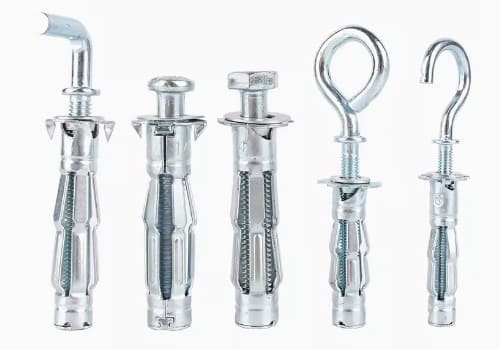
Expansion anchor bolts are mechanical fasteners designed to expand within a pre-drilled hole, creating a secure hold by exerting outward pressure against the base material. Unlike adhesive anchors or cast-in-place systems, expansion anchors offer the flexibility of post-installation fastening, making them ideal for retrofit projects, equipment mounting, and structural steel connections.
The basic mechanism involves a threaded bolt or stud paired with an expansion sleeve or wedge. As the bolt is tightened, the expansion mechanism is forced into the sleeve, causing it to expand and grip the walls of the drilled hole. This mechanical interlock provides the holding power necessary for demanding applications, from facade systems and HVAC equipment to seismic retrofitting and heavy machinery foundations.
Critical Performance Factors for 2025
Modern construction environments demand expansion anchor bolts that meet increasingly stringent performance criteria. Load capacity remains the primary consideration—professionals must carefully match the anchor's tensile and shear strength ratings to the expected loads, incorporating appropriate safety factors. In 2025, projects increasingly require anchors capable of withstanding dynamic loads, vibration, and seismic forces, particularly in infrastructure and renewable energy installations.
Corrosion resistance has emerged as a decisive factor, especially for outdoor, marine, or chemically aggressive environments. Standard zinc plating may prove inadequate for long-term performance. Advanced surface treatments such as hot-dip galvanizing (HDG), specialized coatings like Geomet and Zinc-Nickel (Zn-Ni), and the use of stainless steel or exotic alloys extend service life significantly. For coastal infrastructure, offshore platforms, or wastewater treatment facilities, these enhanced corrosion protection methods can deliver 20-50 years of reliable performance without premature deterioration.
Base material compatibility directly affects anchor performance. Expansion anchors perform differently in cracked versus uncracked concrete, in various concrete strengths (measured in psi or MPa), and in alternative substrates like brick, stone, or hollow masonry. In 2025, engineers increasingly specify anchors certified for use in cracked concrete and seismic conditions, particularly in regions with stringent building codes. Understanding the substrate's compressive strength, edge distance requirements, and minimum embedment depth ensures optimal load transfer and prevents premature failure.
Standards and Certifications That Matter
Compliance with recognized standards provides assurance of quality and performance. In North America, expansion anchors are typically evaluated according to ASTM E488 or the more rigorous ICC-ES (International Code Council Evaluation Service) acceptance criteria. Products bearing ICC-ES evaluation reports have undergone extensive testing for static and seismic loads, providing engineers with reliable design data.
For structural applications, anchors meeting ASTM A325 or ASTM A490 specifications for mechanical properties ensure adequate strength for steel-to-concrete connections in bridges, buildings, and industrial facilities. European markets reference EN standards, while international projects may require compliance with ISO specifications. Regardless of geography, insisting on third-party testing and certification reduces risk and simplifies code approval.
Installation Considerations and Best Practices
Even the highest-quality expansion anchor bolt will underperform if improperly installed. Critical installation variables include hole diameter and depth, cleanliness of the drilled hole, proper torque application, and adherence to specified edge distances and spacing requirements. In 2025, contractors increasingly employ torque wrenches and automated installation equipment to ensure consistent, code-compliant installations across large-scale projects.
Hole preparation significantly impacts performance. Concrete dust, debris, or water within the drilled hole can prevent proper expansion and reduce holding capacity. Thorough cleaning using wire brushes, compressed air, or vacuum systems is essential. For critical applications, pre-installation pull tests or periodic quality control testing verify that installed anchors meet design assumptions.
Emerging Trends and Material Innovations
The fastener industry continues to innovate, responding to evolving market demands. Specialty material fasteners crafted from titanium, Hastelloy, Monel, and Inconel address extreme temperature, chemical exposure, or weight-sensitive applications. While these exotic alloys command premium pricing, their performance in oil and gas, aerospace, and chemical processing environments justifies the investment.
Advanced coating technologies extend anchor service life in harsh conditions. Magni coatings provide superior salt-spray resistance compared to traditional zinc plating, making them ideal for solar farms, coastal infrastructure, and transportation projects exposed to road salt. Geomet and Zn-Ni coatings offer similar benefits, with some formulations achieving over 1,000 hours of salt spray resistance in standardized testing.
Sustainability considerations increasingly influence material selection. Specifiers favor anchors manufactured under ISO 9001:2015 quality management systems, ensuring consistent production processes and reduced waste. Long-lasting corrosion protection reduces the need for premature replacement, lowering lifecycle costs and environmental impact.
Application-Specific Selection Guidance
Different industries present unique challenges that guide anchor selection. In renewable energy, particularly solar photovoltaic installations, expansion anchors secure mounting hardware to concrete foundations or ballasted roof systems. These applications demand corrosion-resistant materials capable of withstanding decades of outdoor exposure, thermal cycling, and wind loads. Specialized coatings and stainless steel anchors ensure long-term structural integrity aligned with 25+ year project lifespans.
Infrastructure projects—including bridges, highways, and municipal construction—require anchors compliant with stringent government and engineering standards. High-strength structural bolts meeting ASTM A325 specifications, combined with HDG or advanced coatings, provide the reliability necessary for public safety applications. Proper documentation, material certifications, and traceability are non-negotiable in these regulated environments.
In heavy machinery and industrial equipment mounting, vibration resistance and precise load distribution are paramount. Expansion anchors paired with appropriate washers and locking mechanisms prevent loosening over time, maintaining alignment and operational safety. Custom CNC machined components address unique geometric or load requirements where standard catalog items prove inadequate.
The Value of Expert Technical Support
Navigating the expanding universe of anchor bolt options, standards, and application requirements can overwhelm even experienced professionals. Access to knowledgeable technical support streamlines specification and procurement. Companies like Shanghai Hengrui Industry Co., Ltd., operating under the Hengrui Fastener (HR) brand, exemplify the value of deep industry expertise combined with responsive customer service.
With over 16 years of fastener industry experience, Hengrui's technical team assists customers in material selection, process optimization, and compliance verification. Their 24-hour quotation turnaround and pre-production sampling capabilities enable rapid project progression without sacrificing quality. For complex or non-standard applications, access to custom CNC machining, exotic materials, and specialized coatings provides integrated solutions that streamline procurement and reduce vendor management overhead.
Hengrui's focus on high-strength, corrosion-resistant fastening solutions aligns directly with 2025 market demands. Their expertise in advanced coatings—including Magni, Geomet, and Zn-Ni systems—addresses the growing need for long-life hardware in renewable energy, coastal infrastructure, and industrial environments. With ISO 9001:2015 certification, a 12,000-ton annual production capacity, and a 1,000-square-meter warehouse supporting rapid delivery, the company bridges technical capability with logistical excellence.
Making the Right Choice in 2025
Selecting expansion anchor bolts in 2025 requires balancing performance, compliance, cost, and long-term reliability. Professionals should prioritize anchors from manufacturers demonstrating technical expertise, quality certifications, and proven track records in demanding applications. Insist on comprehensive technical data, including load tables, installation instructions, and compliance documentation.
Evaluate total cost of ownership rather than initial purchase price alone. Higher-quality anchors with superior corrosion resistance and appropriate strength ratings reduce maintenance, replacement, and project delay costs over the asset's lifespan. Partner with suppliers offering technical consultation, rapid sampling, and responsive support to navigate complex specifications and accelerate project timelines.
As infrastructure investment expands globally and renewable energy deployment accelerates, the demand for reliable, high-performance expansion anchor bolts will continue growing. By understanding the key selection criteria, staying current with material innovations, and partnering with experienced suppliers, construction professionals can ensure their fastening solutions deliver the safety, durability, and performance that modern projects demand.
https://hrfastener.com/anchor-bolts-manufacturer/
Shanghai Hengrui Industrial Co., Ltd


