

 0
0
 0
0
Choosing the right standard container size is a practical decision that directly affects shipping efficiency, cargo safety, and overall logistics performance. For businesses working with containerized freight—especially those whose customers focus on container products, like GBC—this choice is not just about dimensions. It’s about understanding cargo characteristics, transport routes, handling conditions, and long-term operational needs.
Understanding Standard Container Sizes
Standard shipping containers are designed to work seamlessly across ships, trucks, and rail systems. While many container types exist, most cargo moves in a few widely used standard sizes.
The most common are 20-foot and 40-foot containers. These sizes are globally accepted and supported by ports, depots, and logistics providers. High cube containers, which offer extra internal height, are also popular for lighter but bulkier cargo.
Knowing these standards is the starting point, but selecting the right one requires deeper analysis.
Step 1: Analyze Your Cargo Characteristics
Before thinking about container length or height, look closely at what you are shipping.
Key factors include:
Weight and density: Heavy cargo such as machinery or metal products may reach weight limits before filling the container’s volume. In these cases, a 20-foot container often makes more sense.
Volume and shape: Lightweight but bulky goods, such as packaged consumer products or insulation materials, benefit from larger or higher containers.
Fragility and stacking limits: Some goods cannot be stacked or compressed, which affects how efficiently space can be used.
Matching cargo properties to container capacity is one of the most effective ways to avoid wasted space or compliance issues.
Step 2: Compare 20ft vs 40ft Containers in Real Use
Both 20ft and 40ft containers are considered “standard,” but they serve different practical purposes.
A 20-foot container is often chosen when:
Cargo is heavy and compact
The shipment is relatively small but dense
Port or inland handling favors smaller units
A 40-foot container works well when:
Cargo volume is high
Goods are lighter and stackable
Fewer containers are preferred for operational simplicity
In real-world shipping, the decision often comes down to whether you hit the weight limit or the volume limit first.
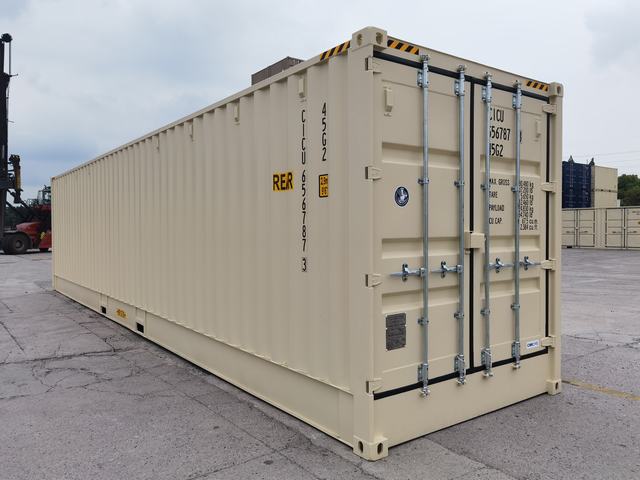
Step 3: Consider High Cube Containers for Extra Clearance
High cube containers offer additional internal height compared to standard containers. This extra space can be critical when shipping:
Tall pallets
Equipment with fixed height
Goods that require airflow or special internal fittings
For many GBC customers dealing primarily with container products, high cube containers offer flexibility without requiring custom container solutions.
Step 4: Factor in Loading and Unloading Conditions
Container size affects not only transport but also on-site handling.
Ask practical questions such as:
Is loading done by forklift, crane, or manually?
Are there space limitations at warehouses or delivery sites?
Does the cargo require side access or top loading?
In some locations, a smaller container may be easier to position, unload, or store temporarily, even if a larger container seems more efficient on paper.
Step 5: Account for Transport Routes and Regulations
Different regions and transport modes impose different restrictions. While standard containers are widely accepted, local regulations can influence size selection.
Examples include:
Road weight limits affecting inland transport
Rail transport length constraints
Port equipment availability for certain container sizes
Choosing a container size that aligns with the full transport route helps avoid delays and re-handling.
Step 6: Plan for Reuse, Storage, or Modification
Many businesses use containers beyond a single shipment. If containers will be reused for storage, converted for other purposes, or integrated into long-term projects, size selection becomes even more important.
Larger containers provide flexibility for future use, while smaller containers are often easier to relocate and manage. Understanding your long-term plan helps guide the initial choice.
Working with Reliable Container Product Suppliers
Selecting the right container size also depends on working with suppliers that offer consistent specifications and practical support. Access to a full range of standard containers makes it easier to match container size to cargo needs without compromise.
For GBC customers, having reliable container product options ensures that container selection supports both current shipments and future operational needs.
ommon Mistakes to Avoid
Even experienced shippers sometimes make avoidable errors:
Choosing a larger container without checking weight limits
Ignoring internal dimensions and focusing only on external size
Overlooking handling constraints at the destination
Failing to plan for cargo securing and internal fittings
Avoiding these pitfalls saves time and prevents costly adjustments during shipping.
Final Thoughts
Choosing the right standard container size is a balance between cargo requirements, transport conditions, and long-term use. There is no one-size-fits-all answer, but a methodical approach makes the decision clear.
By analyzing cargo characteristics, understanding standard container options, and considering real-world handling and transport factors, businesses can select container sizes that support efficient, reliable logistics. For companies like GBC and their customers focused on container products, this decision plays a key role in maintaining smooth supply chain operations.
www.beavercontainer.com
GBC