

 0
0
 0
0
When planning international shipments between China and Australia, understanding the true cost structure is critical for importers, e-commerce sellers, and manufacturers. Shipping expenses extend far beyond the basic freight rate, encompassing customs duties, handling fees, last-mile delivery, and potential hidden charges that can inflate budgets unexpectedly. In 2026, as global supply chains continue to evolve, having a clear picture of what drives shipping costs—and how to control them—has never been more important.
Breaking Down Shipping Cost Components
International shipping from China to Australia involves multiple cost layers. The most visible component is the freight charge itself, which varies dramatically depending on whether you choose ocean freight or air freight. Sea freight operates on either a Full Container Load (FCL) basis, where you rent an entire 20ft or 40ft container, or Less than Container Load (LCL), where your cargo shares space with other shipments. Air freight, by contrast, is typically calculated by chargeable weight—whichever is greater between actual weight and volumetric weight.
Beyond the basic freight, importers must account for origin charges in China, including inland trucking from factory to port or airport, export customs clearance fees, and documentation costs. On the Australian side, destination charges include port handling, customs brokerage, quarantine inspections when required, and final delivery to your door or warehouse. For LCL shipments, deconsolidation fees at the destination port add another layer of expense.
Customs duties and the Goods and Services Tax (GST) represent significant cost factors. Australian import duty rates vary by product category, but strategic use of the China-Australia Free Trade Agreement (ChAFTA) can reduce duties to zero percent for eligible goods with proper Certificate of Origin documentation. GST at ten percent applies to most imports, calculated on the sum of the customs value, freight, insurance, and any duties paid.
Ocean Freight vs Air Freight: Cost and Speed Trade-offs
The choice between sea and air transportation fundamentally shapes your shipping budget. Ocean freight offers the lowest per-kilogram cost, making it ideal for heavy, bulky, or non-urgent cargo such as furniture, machinery, industrial materials, and large inventory replenishments. Transit times typically range from two to four weeks depending on the specific port pairing and sailing schedule. FCL shipping provides better economies of scale for larger volumes, while LCL allows smaller shippers to access ocean rates without filling an entire container.
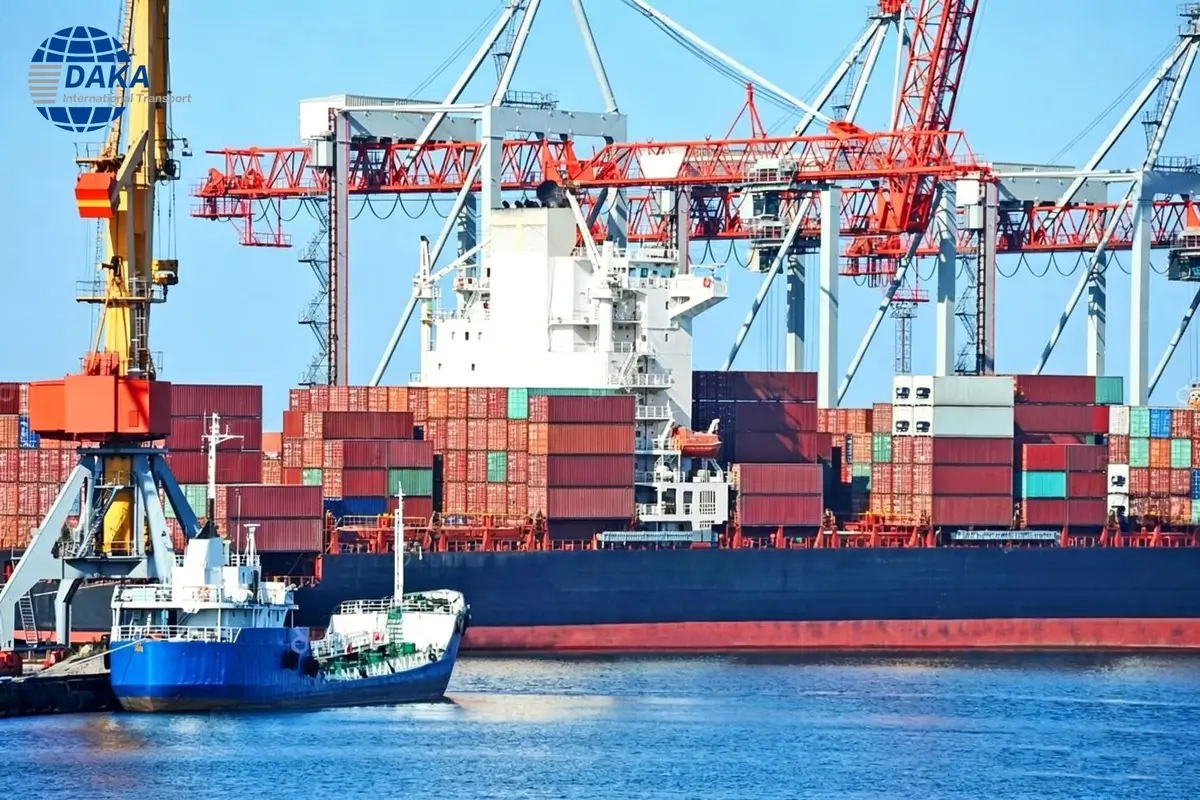
Air freight commands premium pricing but delivers speed when time-sensitive situations demand it. Shipments moving by airline can reach Australian airports within three to seven days, making this mode suitable for urgent bulk cargo exceeding 200 kilograms, seasonal merchandise with tight retail deadlines, or high-value goods where inventory holding costs justify the higher transport expense. For very small urgent shipments under 100 kilograms, international express services through carriers like DHL, FedEx, and UPS offer door-to-door delivery within two to five days, though at the highest per-kilogram rate.
Hidden Costs That Catch Importers Off Guard
Experienced importers know that the initial freight quote rarely tells the complete cost story. Storage and demurrage fees accumulate when containers or cargo sit too long at ports or airports before collection. In Australian ports, these charges can begin accruing quickly after the free storage period expires, turning a delayed pickup into an expensive mistake.
Unexpected customs inspections, while less common for established importers with strong compliance records, can trigger examination fees and delays. Australian biosecurity regulations are particularly strict, and wooden packaging materials must meet specific fumigation and treatment standards to avoid quarantine holds or rejection. Cargo arriving without proper documentation—such as NATA test reports for certain building materials or Material Safety Data Sheets for chemical products—faces clearance delays and additional costs.
Currency fluctuations between Chinese yuan, US dollars (the standard invoicing currency for international freight), and Australian dollars introduce another variable. Exchange rate movements during the weeks between quote and payment can shift final costs in either direction.
How DAKA International Transport Company Controls Shipping Costs
Specializing exclusively in the China-Australia corridor since 2016, DAKA International Transport Company has built systems specifically designed to minimize total landed costs for importers. With 17 offices across major Chinese manufacturing and port cities, DAKA consolidates cargo from multiple factories into single shipments, allowing smaller buyers to access FCL economies without purchasing full container quantities from one supplier.
The company's contracted rates with major ocean carriers including COSCO, MSC, MSK, YML, EMC, and OOCL, as well as airline partnerships with carriers like CA, CZ, MU, and SQ, provide pricing stability even during peak shipping seasons when spot market rates spike. For LCL shipments, DAKA operates regular consolidation cycles twice weekly, maintaining consistent transit schedules while incorporating Australian port charges and customs brokerage fees directly into quotations—eliminating the surprise destination charges that plague many LCL importers.
On the customs front, DAKA operates its own licensed customs broker teams in both China and Australia. This dual-market clearance capability accelerates processing and reduces inspection rates through accurate pre-classification, complete documentation preparation, and direct electronic integration with China's International Trade Single Window and the Australian Border Force Integrated Cargo System. For eligible products, DAKA assists with ChAFTA Certificate of Origin applications, unlocking duty-free treatment that can save thousands of dollars on larger shipments.
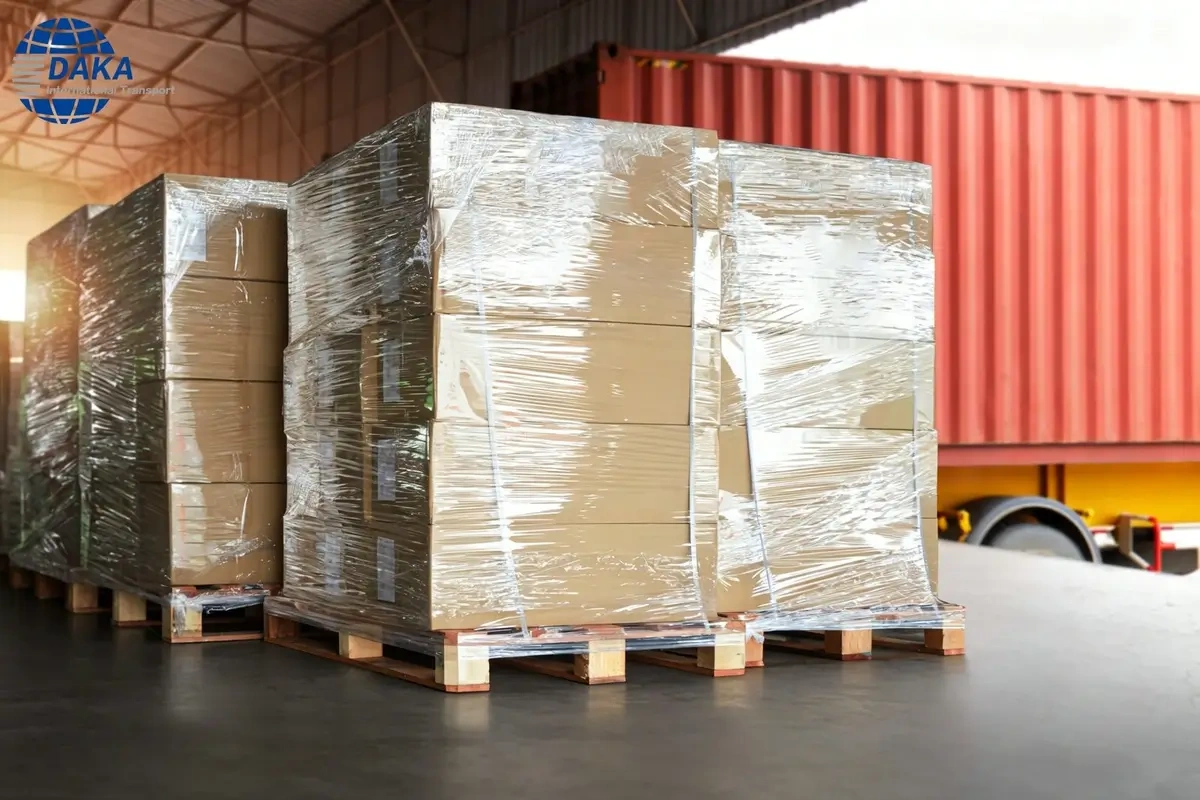
The company's warehousing network—exceeding 50,000 square meters across Chinese cities including Guangzhou, Foshan, Shenzhen, Shanghai, and Qingdao, plus facilities in Sydney, Melbourne, Brisbane, Adelaide, and Fremantle—provides complimentary storage during consolidation and enables value-added services like product labeling, repacking, and palletization that prepare cargo for final delivery or direct placement into retail or Amazon FBA warehouses.
Practical Strategies to Minimize Your Shipping Expenses
Smart importers employ several tactics to control costs. Consolidation remains one of the most effective strategies—combining purchases from multiple Chinese suppliers into a single container dramatically reduces per-unit freight costs compared to separate LCL shipments. Planning ahead to avoid peak season surcharges, which typically spike before major Chinese holidays and during the year-end retail rush, preserves budget flexibility.
Proper cargo classification and valuation for customs purposes prevents overpayment of duties while maintaining full compliance. Leveraging free trade agreement benefits requires advance planning to ensure suppliers can provide the necessary origin documentation, but the duty savings justify the administrative effort for most product categories.
Choosing the appropriate incoterm balances control and cost responsibility. While FOB (Free On Board) terms give buyers more control over ocean freight selection, DDP (Delivered Duty Paid) terms shift all costs and risks to the seller but provide complete certainty on landed costs. Many importers working with China-Australia specialists like DAKA prefer door-to-door service structures that bundle freight, customs, and delivery into transparent all-inclusive pricing.
Technology's Role in Cost Transparency
In 2026, digital platforms have transformed shipping cost management. Real-time rate comparison engines, automated customs duty calculators, and integrated tracking systems give importers unprecedented visibility into expenses before committing to shipments. DAKA's unified transport management platform provides instant quoting across ocean and air modes, automatic route optimization based on cost and transit time parameters, and live shipment tracking from Chinese factory pickup through final Australian delivery.
This technological infrastructure, combined with experienced human expertise handling exceptions and maintaining carrier relationships, creates a partnership model where automation drives efficiency while personal service ensures quality outcomes. For importers managing regular China-Australia shipments, monthly volume typically includes approximately 600 containers by sea and 100 tons of air cargo moving through professional logistics providers, and the cumulative cost savings from optimized routing, consolidated loads, and streamlined customs processing compound significantly over time.
Choosing the Right Logistics Partner
Shipping cost control ultimately depends on working with a logistics provider that understands both markets intimately. With over 800 employees, partnerships spanning the WCA World Cargo Alliance network, FIATA membership, IATA accreditation as an air freight agent, and NVOCC qualification to issue ocean bills of lading, DAKA brings institutional credibility backed by operational capability honed across thousands of China-Australia shipments since 2016.
The company's specialized focus—rather than attempting to serve all global trade lanes—means deep expertise in Australian biosecurity compliance, familiarity with state-specific delivery requirements, and established relationships with local customs authorities that smooth clearance processes. For e-commerce sellers shipping to Amazon FBA warehouses, furniture importers managing fragile goods, machinery buyers coordinating heavy equipment movements, or any business sourcing products from Chinese factories for the Australian market, this specialized knowledge translates directly into lower costs, faster transit times, and fewer surprises.
As supply chains grow more complex and cost pressures intensify, understanding the true drivers of shipping expenses between China and Australia empowers better sourcing decisions, more accurate financial planning, and ultimately stronger competitive positioning in the Australian market.
DAKA INTERNATIONAL TRANSPORT COMPANY LTD